Every golfer wants more control around the green. Yet many players overlook one of the most important decisions in the bag — choosing the right wedge setup. Understanding wedge angles is the first step toward hitting cleaner, more consistent shots from any lie.
This guide breaks down loft, bounce, and how they work together. By the end, you will know exactly what to look for when choosing or adjusting your wedges.
What Is Loft and Why Does It Matter?
Loft refers to the angle of the clubface relative to the ground. A higher loft means the ball launches higher and lands more softly. A lower loft keeps the ball flight flatter and longer.
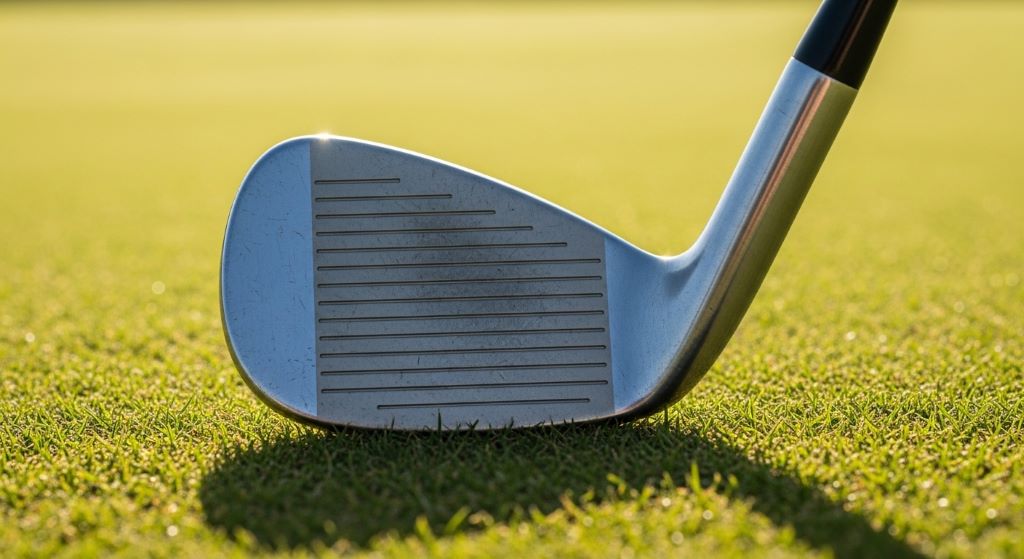
Wedges typically come in loft ranges from around 44 degrees to 64 degrees. Pitching wedges usually sit between 44 and 48 degrees. Gap wedges fall around 50 to 52 degrees. Sand wedges tend to land between 54 and 58 degrees. Finally, lob wedges push up to 60 to 64 degrees.
However, loft alone does not tell the whole story. The angle of the leading edge coming into the turf also plays a big role. That is where bounce enters the picture.
Understanding Bounce
Bounce is the angle between the leading edge of the clubface and the lowest point of the sole. In simple terms, it stops the club from digging too deep into the ground. Instead, the club glides through the turf or sand.
Low bounce wedges (4 to 6 degrees) work well on firm turf and tight lies. They give skilled players more precision and feel. High bounce wedges (10 to 14 degrees) are better on soft turf, thick rough, and bunkers with fluffy sand. They prevent the club from burying at impact.
Therefore, picking the right bounce for your course conditions is just as important as choosing the correct loft.
How Bounce Affects Your Swing
Your swing style also matters when selecting bounce. If you have a steep, diggy swing, a higher bounce helps prevent fat shots. Additionally, if you sweep the ball with a shallow angle of attack, a lower bounce gives you cleaner contact.
Many amateur golfers choose wedges based only on loft. However, ignoring bounce often leads to chunked shots or thin strikes. Both loft and bounce working together create the right conditions for clean, accurate wedge play.
Bounce vs Loft: How They Work Together
When comparing bounce vs loft, it helps to think of them as a team. Loft controls trajectory and spin. Bounce controls how the club interacts with the ground.
A wedge with high loft but low bounce may dig into soft turf. This can result in fat shots or a loss of spin. Meanwhile, a wedge with low loft and high bounce may sit too high off the turf on tight lies. This causes thin contact.
The goal is to match both angles to your swing and your typical playing surface. Many tour players carry two to three wedges, each with different loft-bounce combinations. This allows them to handle almost any shot around the green.
Common Loft and Bounce Combinations
Here are some popular setups that golfers use:
- 52-degree gap wedge with 8 degrees of bounce — great for a versatile approach shot wedge
- 56-degree sand wedge with 12 degrees of bounce — ideal for bunkers and soft fairway lies
- 60-degree lob wedge with 8 degrees of bounce — best for tight lies and precise short game shots
Additionally, some players carry a 58-degree wedge with 10 degrees of bounce as a do-it-all option. This works well on average course conditions with a neutral swing style.
Wedge Setup Tips to Improve Your Short Game
Getting the right wedge setup tips from a club fitting professional can save you many strokes. However, you can also start with some straightforward principles on your own.
First, think about the courses you play most often. Is the turf firm or soft? Are the bunkers filled with fine, powdery sand or coarser, heavier sand? These factors should guide your bounce selection.
Second, consider your current handicap and skill level. Beginners often benefit from more bounce because it is more forgiving. It helps prevent the club from digging too deep and makes it easier to get the ball airborne.
Test Before You Commit
If possible, test a few different wedges at a practice facility or during a fitting session. Hit shots from different lies, including bunkers, tight fairway grass, and light rough. Pay attention to how the club feels at impact and how consistent your contact is.
Furthermore, watch where the sole of the club touches the ground during your practice swings. The lowest point of the swing should match the sole of the wedge. If the leading edge digs in, you may need more bounce. If the club skips off the turf, you may need less.
Grind Options Add More Flexibility
Many modern wedges come with sole grinds. A grind is a custom shaping of the sole that adds versatility. For instance, a heel grind allows you to open the face more easily for flop shots without increasing the effective bounce too much.
Therefore, if you like to manipulate your wedge face angle, look into grind options that match your play style. This is an advanced but very helpful layer of customisation.
Reading the Lie Before Every Shot
Even with the perfect wedge setup, reading the lie is essential. A ball sitting up in the rough allows you to use a higher loft easily. A ball sitting down in a tight divot may require less loft and a more descending strike.
Additionally, open your stance slightly for shorter, higher shots. This promotes an outside-in swing path that increases effective loft and spin. For bump-and-run shots, play the ball back and keep the hands forward to reduce the loft at impact.
However, always let the situation guide your club selection. Do not force a high lob when a simple chip and run will get the job done more reliably.
Getting the Most Out of Your Wedges
Spending time practicing with each wedge is the most valuable investment you can make. Learn the natural distances you hit each club at 50, 75, and 100 percent swing speeds. This builds confidence and precision on the course.
Furthermore, keep your grooves clean and sharp. Worn grooves reduce spin, which makes it harder to control distance and trajectory. Replace wedges every one to two seasons if you play regularly.
Finally, be patient with the learning process. Understanding how wedge angles affect your shots takes time. However, the rewards in shot-making precision are absolutely worth the effort.
Conclusion
Wedges are among the most versatile clubs in the bag. However, they are also the most misunderstood. By learning how loft controls trajectory and how bounce interacts with the turf, you can make smarter equipment choices and hit better shots.
Remember these key points. Loft determines height and distance. Bounce determines how the club moves through the ground. Together, they form a powerful combination when matched to your swing and course conditions. Apply the wedge setup tips in this guide, and you will notice the difference the next time you step inside 100 yards.
Take time to experiment, get a fitting if possible, and always prioritise feel and consistency over brand names or trends. A well-chosen wedge is one of the greatest short game assets any golfer can have.
Frequently Asked Questions
1. What loft should my sand wedge be?
Most golfers benefit from a sand wedge between 54 and 56 degrees. This range works well from bunkers and soft fairway lies without making full swing distances too short.
2. How do I know if I need more or less bounce?
If you frequently hit fat shots or the club digs into soft turf, try more bounce. If you hit it thin or play on firm courses, try less bounce. A short game practice session will help you notice the difference quickly.
3. Can I use a lob wedge from a bunker?
Yes, but it depends on the sand conditions. A lob wedge works well from soft, fluffy bunkers. However, from firm or shallow bunkers, a sand wedge with more bounce is often the safer and more reliable choice.
4. Does shaft flex affect wedge performance?
Shaft flex has less impact on wedges than on longer clubs, since swings are shorter and slower. However, a shaft that matches your tempo still helps with consistency and feel at impact.
5. How often should I replace my wedges?
If you play two to three times per week, replacing wedges every one to two years is a good rule. Groove wear reduces spin and control significantly, making it harder to hold greens and stop the ball close to the pin.
Related Topics:
Subway Surfers High Score: How to Achieve and Maintain It
How to Review a Junior Golf Starter Set Before Buying