

Key Takeaways
- Roof age is one of the biggest factors in deciding repair versus replacement.
- Missing shingles, leaks, and sagging are common warning signs.
- Interior damage often signals a roof problem before exterior signs appear.
- Minor issues can often be repaired, while widespread damage needs replacement.
- A professional inspection helps confirm the right course of action.
Your roof protects your entire home from weather and water damage. However, knowing when to repair versus replace it isn’t always obvious. Therefore, as home improvement experts at https://newhouseproject.com/ warn, understanding the warning signs early helps you make the right decision. This guide covers how to identify roof problems and when each solution applies. You’ll also learn how roof age and material affect this choice.
How Roof Age Affects Your Decision
Roof age plays a major role in deciding between repair and replacement. Different roofing materials have different expected lifespans. Therefore, knowing your roof’s age and material helps guide this decision.
Asphalt shingle roofs, the most common residential option, typically last between twenty and thirty years. Additionally, this lifespan depends on installation quality, climate, and maintenance history. Roofs nearing this age range often benefit more from replacement than repeated repairs.
Metal roofs generally last much longer, often between forty and seventy years. Additionally, tile and slate roofs can last fifty years or more with proper care. Therefore, these materials tolerate repairs better throughout a longer lifespan.
Consider these common roofing materials and their typical lifespans:
- Asphalt shingles: twenty to thirty years, the most common residential choice.
- Wood shakes: twenty-five to thirty years, requiring regular maintenance.
- Metal roofing: forty to seventy years, highly durable in most climates.
- Tile roofing: fifty years or more, especially in dry climates.
- Slate roofing: seventy-five to one hundred years, among the longest-lasting materials.
According to the National Roofing Contractors Association, a roof nearing the end of its expected lifespan often shows compounding issues that make replacement more cost-effective than repeated repairs. This guidance helps homeowners avoid throwing money at temporary fixes.
If your roof is approaching or has exceeded its expected lifespan, replacement often makes more financial sense. Therefore, checking your roof’s installation date helps clarify where you stand. This information, combined with visible condition, guides the right decision.
Visible Signs of Roof Damage
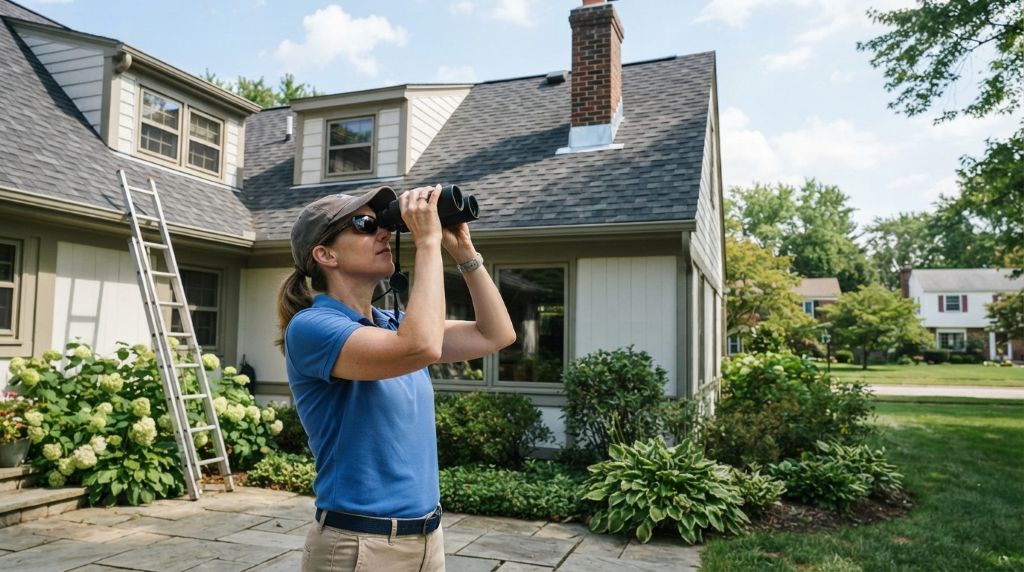
Regular visual inspection helps catch roofing problems before they worsen. Some signs are visible from the ground, while others require closer inspection. Additionally, catching these signs early often means the difference between repair and full replacement.
Missing or damaged shingles are among the most obvious warning signs. Wind, storms, and age can all cause shingles to crack, curl, or fall off completely. Therefore, noticing these gaps early helps prevent water infiltration underneath.
Granule loss also indicates aging shingles nearing the end of their lifespan. These granules protect shingles from UV damage and appear in gutters as they wear away. Additionally, bald spots on shingles suggest reduced protection against the elements.
Watch for these visible signs of roof damage:
- Missing, cracked, or curling shingles across the roof surface.
- Excessive granules collecting in gutters or downspouts.
- Dark streaks or patches suggesting algae or moss growth.
- Sagging areas anywhere along the roofline.
- Visible daylight through the roof boards in the attic.
Dark streaking often indicates algae growth, which is typically cosmetic rather than structural. However, moss growth can trap moisture against the roof surface and cause more serious damage. Therefore, distinguishing between these two issues matters when planning repairs.
Sagging areas represent a more serious structural concern requiring immediate attention. This issue often indicates water damage or structural weakness beneath the surface. Additionally, sagging should never be ignored, as it can lead to roof collapse in severe cases.
Regular visual inspections, especially after storms, help catch these signs early. Therefore, walking around your home periodically to check your roofline is a valuable habit.
Interior Signs of Roof Problems
Roof issues often show up inside your home before becoming visible outside. Checking your attic and ceilings regularly helps catch these hidden problems. Additionally, interior signs sometimes reveal issues that exterior inspection alone might miss.
Water stains on ceilings are one of the clearest indicators of a roof leak. These stains often appear yellow or brown and may grow larger over time. Therefore, noticing this discoloration early helps prevent more extensive interior damage.
Attic inspections also reveal important clues about your roof’s condition. Daylight visible through the roof boards indicates gaps or damage. Additionally, damp insulation or wood suggests an active leak somewhere above.
Look for these interior signs of roof problems:
- Water stains or discoloration on ceilings and upper walls.
- Peeling paint or bubbling near the ceiling line.
- Daylight visible through the roof when checking your attic.
- Damp or moldy smells coming from the attic space.
- Sagging ceiling areas indicating water accumulation above.
Musty odors in your attic often indicate trapped moisture from a hidden leak. This moisture creates conditions favorable for mold growth. Therefore, addressing the smell’s source promptly protects both your roof and indoor air quality.
Checking your attic for proper insulation and ventilation also matters during this inspection. Poor ventilation can trap moisture and accelerate roof deterioration from the inside. Additionally, this issue sometimes causes damage that mimics external roofing problems.
Regular attic checks, especially after heavy rain or snow, help catch leaks early. Therefore, this interior inspection complements your exterior roof checks for complete coverage.
When Repair Makes Sense
Not every roofing issue requires full replacement, especially when caught early. Understanding when repair remains a viable option saves money and preserves your existing roof. Additionally, isolated problems often respond well to targeted fixes.
Small, isolated areas of damage typically qualify for repair rather than replacement. This includes a few missing shingles or a small, localized leak. Therefore, addressing these issues promptly often prevents them from spreading further.
Roofs still within their expected lifespan generally handle repairs better than aging roofs. Additionally, a roof with only minor wear and no widespread structural issues is a good repair candidate. This approach extends the roof’s useful life without unnecessary replacement costs.
Consider repair when you notice these situations:
- Damage limited to a small, specific area of the roof.
- A roof still within its expected lifespan showing minor wear.
- Isolated leaks with a clearly identifiable, fixable source.
- Flashing issues around chimneys or vents without broader damage.
- Storm damage confined to a specific section, verified by inspection.
Flashing problems around chimneys, vents, or skylights often cause leaks without indicating broader roof failure. Replacing or resealing this flashing frequently resolves the issue completely. Therefore, this targeted repair proves more cost-effective than full replacement.
Storm damage sometimes affects only one section of the roof, such as one side facing prevailing winds. Additionally, insurance often covers this type of repair when documented properly. Therefore, professional inspection after storms helps clarify the appropriate scope of repair.
Choosing repair when appropriate saves money while still protecting your home effectively. Therefore, consulting a professional helps confirm whether your specific situation qualifies for this approach.
When Replacement Becomes Necessary
Some roofing situations clearly call for full replacement rather than ongoing repairs. Recognizing these signs helps you avoid wasting money on temporary fixes. Additionally, delaying necessary replacement often leads to more extensive and costly damage.
Widespread damage across the entire roof surface typically signals replacement is the better choice. This includes extensive shingle loss, multiple leak points, or significant granule loss throughout. Therefore, addressing individual spots becomes impractical when damage covers most of the roof.
Roofs exceeding their expected lifespan also generally warrant replacement over continued repairs. Additionally, frequent repairs on an aging roof often indicate the underlying materials are failing broadly. This pattern suggests replacement will save money compared to ongoing repair costs.
Consider replacement when you notice these situations:
- Roof age at or beyond its expected material lifespan.
- Multiple leaks occurring in different areas simultaneously.
- Widespread shingle damage across most of the roof surface.
- Structural sagging indicating deck or framing damage.
- Repeated repairs failing to resolve recurring problems.
Structural sagging represents one of the clearest signs that replacement is necessary. This issue often indicates damage to the roof deck or supporting structure beneath the shingles. Therefore, this situation requires prompt professional attention regardless of the roof’s age.
According to the National Roofing Contractors Association, roofs requiring more than three separate repairs within a few years often cost more collectively than a single replacement. This pattern helps homeowners recognize when repairs no longer make financial sense.
Recognizing these clear replacement signs helps you avoid the cycle of repeated, ineffective repairs. Therefore, addressing the situation with full replacement protects your home more reliably long-term.
Getting a Professional Roof Inspection
While homeowners can spot many warning signs, professional inspection provides the clearest picture. Roofing contractors have training and tools to assess damage accurately. Additionally, this expertise helps confirm whether repair or replacement suits your situation.
Professional inspectors check areas that aren’t easily visible or accessible from the ground. This includes examining the roof deck, flashing, and ventilation system closely. Therefore, this thorough assessment often reveals issues homeowners might miss entirely.
Scheduling an inspection after severe weather events helps catch storm damage early. Additionally, annual inspections, even without obvious problems, help track your roof’s condition over time. This proactive approach supports better long-term decision-making.
Expect these steps during a professional roof inspection:
- A thorough visual examination of the roof’s exterior surface.
- Attic inspection for leaks, ventilation, and insulation issues.
- Assessment of flashing around chimneys, vents, and skylights.
- Documentation of damage with photos for insurance purposes if needed.
- A clear recommendation for repair or replacement based on findings.
Insurance documentation often becomes important when storm damage is involved. Therefore, professional inspection reports provide valuable evidence when filing a claim. This documentation helps ensure you receive appropriate coverage for necessary repairs.
A trustworthy roofing contractor will explain their findings clearly and outline your options. Additionally, getting multiple opinions for major replacement decisions helps confirm the right course of action. This diligence protects both your home and your budget.
Conclusion
Knowing when to repair or replace your roof protects your home and budget effectively. Roof age, visible damage, and interior signs all guide this important decision. Additionally, professional inspection provides clarity when the right choice isn’t obvious. If you’re considering a smaller home or a more space-efficient design, looking at tiny homes with beautiful garage concepts can provide useful ideas for combining shelter, storage, and functionality. Therefore, staying attentive to these warning signs helps you act before problems worsen. Addressing roof issues promptly, whether through repair or replacement, protects your home for years to come.
Noticing signs of roof damage? Contact a licensed roofing contractor today for a professional inspection and expert recommendation.
Frequently Asked Questions
How long does an asphalt shingle roof typically last?
Asphalt shingle roofs generally last between twenty and thirty years with proper maintenance.
Can a small roof leak be repaired without full replacement?
Yes, isolated leaks with a clear source often qualify for straightforward, affordable repair.
What does a sagging roof indicate?
Sagging usually signals structural damage to the roof deck or framing, requiring prompt attention.
Should I get a roof inspection after a storm?
Yes, storm damage isn’t always visible, so a professional inspection helps catch hidden issues.
How often should I have my roof professionally inspected?
Schedule a professional roof inspection at least once a year for best results.



