Investing in a mountain bike is a significant decision that affects your riding experience for years to come. While flashy features and trendy designs catch your eye in the shop, durability should be your primary concern. A bike that looks great but falls apart after one season costs far more than a reliable workhorse that handles abuse year after year.
The mountain biking market offers countless options at every price point. Some bikes crumble under regular trail riding, while others withstand decades of punishment. Understanding what separates strong MTB frames from weak ones helps you make a smart investment that delivers value over the long term.
This guide will teach you how to identify durable mountain bikes that stand the test of time. You’ll learn about frame materials, construction quality, component selection, and maintenance practices that extend bike life. By the end, you’ll know exactly what to look for when shopping for your next mountain bike.
Understanding Frame Materials and Construction
The frame forms the foundation of any mountain bike. Everything else attaches to it, and its strength determines how long your bike will last. Different materials offer various advantages in terms of weight, strength, and longevity.
Aluminum frames dominate the mountain bike market due to their excellent strength-to-weight ratio and affordable pricing. Quality aluminum frames can last fifteen years or more with proper care. However, aluminum fatigues over time, meaning it weakens with repeated stress cycles. Look for bikes with hydroformed or butted aluminum tubing, which places material where strength is needed while keeping weight manageable.
Steel frames offer exceptional durability and a smooth ride quality that many riders prefer. Steel is more forgiving than aluminum and can be repaired if damaged. Chromoly steel provides the best combination of strength and weight. While heavier than aluminum, steel frames often outlast other materials when properly maintained. Rust prevention through quality paint and regular care keeps steel frames running indefinitely.
Carbon fiber frames deliver unmatched strength-to-weight ratios in high-end bikes. Modern carbon construction creates incredibly strong frames that absorb trail vibration beautifully. However, carbon fiber can be damaged by impacts that barely scratch metal frames. Quality carbon frames from reputable manufacturers last many years, but cheaper carbon bikes may fail prematurely. Additionally, carbon fiber repairs require specialized skills and equipment.
Titanium frames represent the ultimate in durability and longevity. Titanium combines steel’s ride quality with aluminum’s light weight while resisting corrosion completely. These frames can last a lifetime with minimal maintenance. However, titanium’s high cost puts it beyond most budgets. Consider titanium if you want a bike that your grandchildren might ride.
Evaluating Build Quality and Craftsmanship
Material quality means nothing without proper construction. Examining how a bike is built reveals whether it will survive years of trail riding or fail prematurely.
Weld quality indicates overall construction standards. Clean, consistent welds with good penetration demonstrate skilled craftsmanship. Rough, inconsistent welds suggest rushed production that may compromise strength. Inspect welds carefully, looking for gaps, porosity, or other defects that indicate poor quality.
Frame alignment affects both durability and performance. Misaligned frames wear components unevenly and handle poorly. While difficult to assess visually, reputation and reviews from other riders indicate whether a manufacturer maintains proper alignment standards.
Paint and finish quality protect the frame from corrosion and damage. Thick, even coating with proper surface preparation lasts longer than thin paint that chips easily. Additionally, quality finishes cover all surfaces, including hard-to-reach areas inside the frame. Clear coating over raw metal finishes provides inadequate protection in wet conditions.
Hardware and mounting points deserve close attention. Threaded inserts should be securely installed, not spinning or pulling out. Derailleur hangers should be replaceable rather than integrated into the frame. Quality bikes use stainless steel or titanium fasteners that resist corrosion.
Selecting Components That Endure
Strong MTB frames need equally durable components to create long lasting bikes. Choosing quality parts from reputable manufacturers ensures your investment performs reliably for years.
Drivetrain components experience tremendous stress and wear faster than any other parts. Higher-end drivetrains use better materials and tighter tolerances, lasting significantly longer than budget options. However, mid-range components often provide the best value, offering good durability at reasonable prices. Consider that you’ll replace chains and cassettes periodically regardless of quality.
Wheel strength directly affects overall bike durability. Quality rims with appropriate spoke counts handle trail abuse better than lightweight racing wheels. Double-wall rims resist denting, while proper spoke tension prevents wheel failure. Hand-built wheels from experienced builders typically outlast factory wheels, though they cost more initially.
Suspension components require regular maintenance regardless of quality. However, reputable manufacturers like RockShox, Fox, and Manitou design forks and shocks with serviceability in mind. Budget suspension often uses sealed cartridges that can’t be serviced, requiring complete replacement when they wear out. Therefore, investing in quality suspension pays dividends through years of reliable performance.
Brake systems matter tremendously for both safety and longevity. Hydraulic disc brakes from established manufacturers deliver consistent stopping power and easier maintenance than mechanical systems. Quality brake systems use durable pistons and seals that survive years of service. Metallic brake pads last longer than organic pads, though they may wear rotors faster.
Cockpit components including handlebars, stem, and seat post should be appropriately strong for your riding style. Lightweight cross-country components won’t survive aggressive trail riding. Match component strength to your intended use rather than chasing minimum weight.
Matching Bike Design to Your Riding Style
Durability isn’t universal. A bike that lasts forever for casual trail riding might fail quickly under the demands of aggressive downhill racing. Choosing a bike designed for your riding style ensures maximum longevity.
Cross-country bikes prioritize efficiency and climbing performance with lighter construction. These bikes excel on smoother trails but may not survive repeated jumps or rock gardens. If you ride primarily cross-country terrain, an XC bike provides excellent durability within its intended use. However, pushing it beyond design limits invites failure.
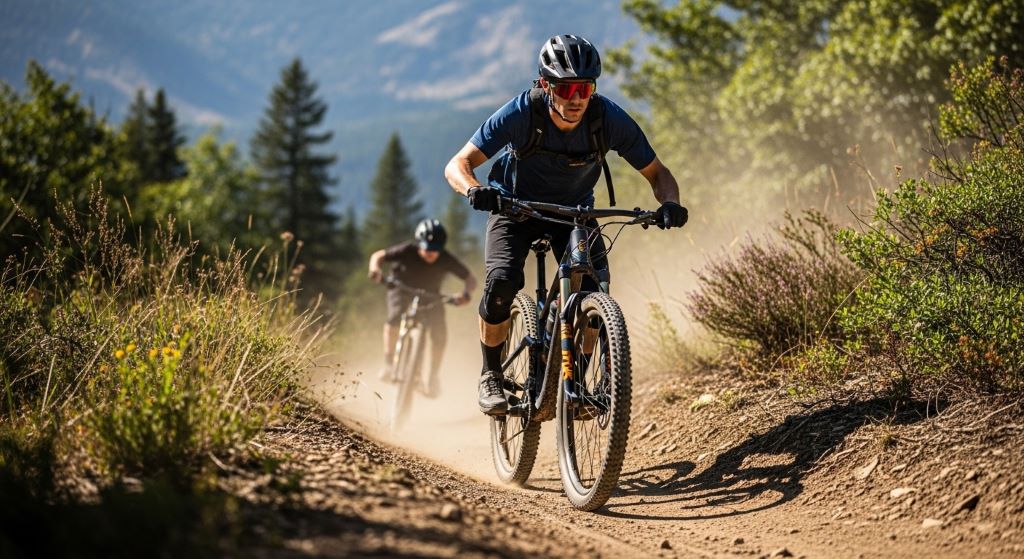
Trail bikes offer the best all-around durability for most riders. They balance efficiency with strength, handling a wide variety of terrain. Trail bikes survive occasional abuse while remaining efficient enough for long rides. Most recreational riders find trail bikes provide the best long-term value.
Enduro and all-mountain bikes emphasize descending performance with burlier construction. These bikes handle aggressive riding and rough terrain that would destroy lighter bikes. Choose enduro bikes if you frequently ride technical descents, jump, or ride bike parks. The extra weight is worthwhile if durability matters more than climbing efficiency.
Downhill bikes represent the toughest mountain bike category. Built to survive extreme abuse, these bikes feature heavy-duty frames and components. However, their weight and geometry make them impractical for general trail riding. Reserve downhill bikes for lift-accessed riding or shuttle runs.
Understanding Manufacturer Reputation and Warranties
Some companies build bikes that last, while others chase trends with disposable products. Researching manufacturers helps you identify brands committed to durability and customer satisfaction.
Established brands with long histories generally produce more reliable bikes. Companies like Trek, Specialized, Giant, and Santa Cruz have reputations to protect and invest in quality control. However, some newer boutique brands also produce excellent bikes. Read reviews and talk to riders about their long-term experiences.
Warranty coverage indicates manufacturer confidence in their products. Lifetime warranties on frames suggest a company stands behind their construction. However, read warranty terms carefully. Some warranties cover only the original owner or exclude certain types of damage. Additionally, consider the company’s reputation for honoring warranty claims.
Customer service quality matters when problems arise. Companies with responsive support and readily available replacement parts make ownership easier. Research how manufacturers handle warranty claims and whether parts remain available for older models.
Therefore, buying from a reputable local bike shop provides advantages beyond the initial purchase. Quality shops support their customers long after the sale, helping with maintenance and warranty issues. The relationship with a good shop often proves more valuable than modest price savings from online retailers.
Maintenance Practices That Extend Bike Life
Even the most durable mountain bike requires proper care to reach its potential lifespan. Developing good maintenance habits prevents small issues from becoming expensive failures.
Regular cleaning removes dirt and grime that accelerate wear and corrosion. Washing your bike after muddy rides takes minutes but prevents damage that accumulates over time. Use appropriate cleaners rather than harsh degreasers that damage seals and bearings. Additionally, avoid high-pressure washers that force water into bearings and suspension components.
Lubrication keeps moving parts functioning smoothly and prevents corrosion. Chain lubrication is critical, but don’t forget pivot points, derailleur pulleys, and brake lever pivots. Use appropriate lubricants for each application rather than applying chain lube everywhere.
Inspection catches problems before they cause failures. Check your bike regularly for loose bolts, worn components, and developing issues. Addressing minor problems immediately prevents them from damaging other parts. For example, replacing a worn chain before it damages the cassette saves money long-term.
Professional servicing maintains complex components that require specialized tools and knowledge. Suspension should be serviced according to manufacturer recommendations, typically annually for most riders. Wheel truing, bearing adjustment, and brake bleeding also benefit from professional attention.
Storage conditions significantly affect long-term durability. Keep your bike indoors in a dry environment when possible. Outdoor storage accelerates corrosion and deterioration, especially in humid climates. If you must store outside, use a quality cover and bring the bike in periodically for cleaning and inspection.
Recognizing Red Flags and Deal Breakers
Some issues indicate a bike won’t provide reliable long-term service. Learning to spot these warning signs helps you avoid poor investments.
Extremely low prices often indicate compromised quality. While bargains exist, bikes priced significantly below market value usually cut corners somewhere. Cheap frames may use inferior materials or poor construction. Budget components might look similar to quality parts but fail quickly under normal use.
Unknown brands with no track record present significant risks. Without established reputations, these companies may disappear, leaving you without warranty support or replacement parts. Stick with recognized brands unless you have specific reasons to trust a newer company.
Proprietary components and standards create long-term problems. Bikes using unique part sizes or mounting standards may become impossible to repair as manufacturers discontinue support. Industry-standard parts ensure you can maintain your bike indefinitely.
Visible damage or poor repairs on used bikes suggest they won’t last much longer. Cracks, dents in structural areas, or sloppy repair work indicate problems that will only worsen. Unless you’re skilled at bike repair and comfortable with the risks, avoid damaged bikes.
Making Your Investment Count
Purchasing a durable mountain bike requires more financial commitment than buying the cheapest option. However, quality pays for itself through years of reliable service.
Set a realistic budget that allows for decent quality. While premium bikes offer refinements, mid-range options often provide excellent durability at accessible prices. Spending a bit more initially usually costs less than replacing a cheap bike repeatedly.
Consider total ownership costs beyond the purchase price. Durable bikes require less frequent component replacement and major repairs. Factor in maintenance costs, replacement parts, and potential resale value when evaluating options.
Buy the right size and fit from the start. A bike that fits poorly causes discomfort and may encourage you to replace it prematurely. Professional fitting ensures your investment serves you well for years.
Additionally, upgrading components strategically extends bike life without replacing the entire bike. A quality frame can accept multiple generations of drivetrain and suspension upgrades, providing excellent long-term value.
Conclusion
Selecting a durable mountain bike requires looking beyond marketing hype and trendy features. Strong MTB frames built with quality materials and craftsmanship form the foundation of long lasting bikes that provide years of reliable service. Material choice, construction quality, and component selection all contribute to overall durability.
Matching your bike to your riding style ensures it survives within its design parameters. Trail bikes offer the best all-around durability for most riders, while more specialized bikes serve specific needs. Research manufacturers thoroughly, paying attention to reputation, warranty coverage, and customer service quality.
Remember that even the toughest bike requires proper maintenance to reach its potential lifespan. Regular cleaning, lubrication, and inspection prevent small problems from becoming catastrophic failures. Developing good maintenance habits protects your investment and keeps you riding.
Ultimately, spending more on a quality bike from a reputable manufacturer saves money over time. A durable mountain bike that lasts a decade costs less annually than replacing cheap bikes every few years. Make informed choices based on construction quality rather than price alone, and your bike will reward you with years of trail adventures.
Frequently Asked Questions
How long should a quality mountain bike last with regular use?
A well-maintained mountain bike from a reputable manufacturer should last ten to fifteen years or longer with regular recreational use. Frames often outlast components, which require periodic replacement. Professional riders who train daily may need replacement sooner due to extreme wear. Proper maintenance, appropriate use within design limits, and timely component replacement significantly extend bike lifespan.
Is it better to buy aluminum or carbon fiber for durability?
Both materials offer excellent durability when properly constructed. Quality aluminum frames provide outstanding longevity at lower prices, making them ideal for most riders. Carbon fiber delivers superior strength-to-weight ratios but costs more and requires careful handling. For pure durability regardless of weight, aluminum from reputable manufacturers represents the best value. Choose carbon only if weight savings justify the additional cost and care requirements.
Should I buy a used mountain bike or new for longevity?
Used bikes from quality manufacturers can provide excellent value if properly maintained and undamaged. Inspect used bikes carefully for cracks, excessive wear, and maintenance history. Bikes from the original owner with documented service records present less risk than bikes with unknown histories. However, new bikes come with warranties and no hidden damage. If buying used, have a knowledgeable mechanic inspect the bike before purchasing.
What maintenance tasks are most important for bike longevity?
Regular cleaning after rides, proper lubrication, and periodic inspection catch problems early. Chain maintenance prevents drivetrain wear, while suspension service keeps those components functioning correctly. Checking bolt torque prevents loosening that damages frames. Additionally, storing your bike indoors protects it from corrosion. These simple tasks cost little but dramatically extend bike life.
Are expensive components worth it for durability?
Mid-range components typically offer the best durability-to-cost ratio. Ultra-budget parts wear quickly and may fail prematurely. However, top-tier components often prioritize weight savings over longevity. For maximum durability, choose mid-to-upper range components from established manufacturers. Spending extra on contact points like grips, pedals, and saddles improves comfort, while drivetrain and suspension quality affects long-term reliability.
Related Topics:
How to Accessorize a Black Dress For the Wedding