

Walking a strong, energetic dog requires more than just any ordinary leash. Large breeds and active canines demand equipment that matches their strength and enthusiasm. The wrong choice can lead to broken leashes, injured hands, or even escaped pets. Therefore, selecting the right walking equipment becomes essential for safety and enjoyment.
Dog owners with powerful breeds understand the challenge of maintaining control during walks. A flimsy leash simply won’t withstand the pulling force of an excited German Shepherd or determined Husky. Moreover, regular walks become frustrating when you constantly worry about equipment failure. Quality gear transforms these concerns into confidence and pleasure.
The market offers countless options for dog walking equipment. However, not all products deliver on their promises. Some claim durability but fail within weeks. Others prioritize appearance over functionality. Understanding what makes a leash truly reliable helps you invest wisely in your dog’s safety and your peace of mind.
Understanding What Makes a Leash Durable
Durability in dog leashes comes from multiple factors working together. Material quality stands as the foundation of any reliable product. Different materials offer distinct advantages and limitations. Knowing these differences guides you toward the best choice for your situation.
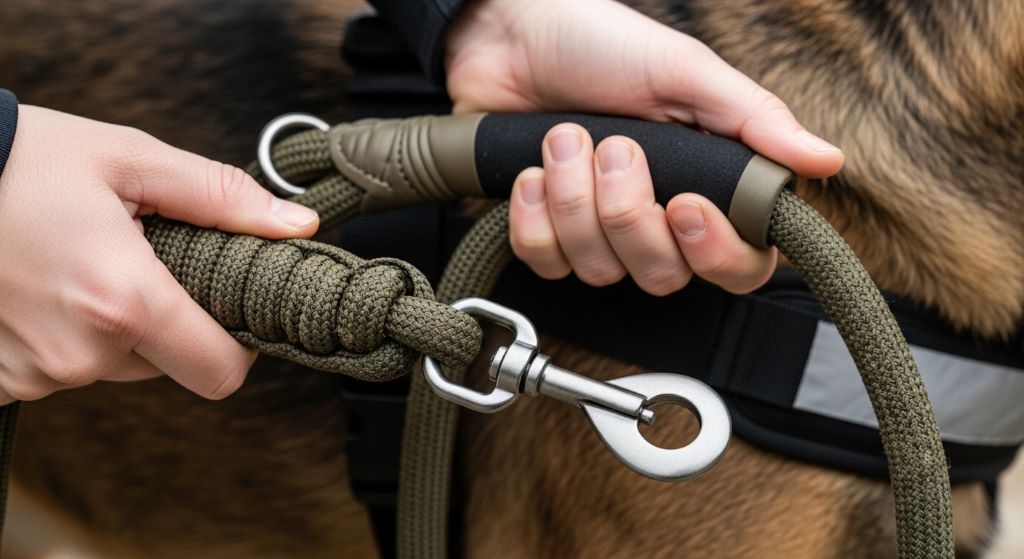
Rope construction provides exceptional strength and comfort. Unlike flat nylon webbing, rope distributes pressure more evenly across your hand. This reduces the cutting sensation when your dog pulls suddenly. Additionally, rope naturally flexes and moves with your dog’s motion. This creates a more comfortable experience for both handler and pet.
Thickness directly impacts strength and durability. Thicker ropes generally withstand greater force without breaking. However, extremely thick options become heavy and unwieldy. Finding the right balance depends on your dog’s size and pulling strength. Most strong dogs need ropes between 10 and 15 millimeters in diameter.
Hardware quality determines long-term reliability as much as rope material. Cheap metal clips bend or break under stress. Premium hardware uses stainless steel or zinc alloy construction. These materials resist corrosion and maintain strength over time. Furthermore, rotating clips prevent tangling and reduce wear on connection points.
Stitching and weaving techniques affect overall durability significantly. Quality products feature reinforced stitching at stress points. The weaving pattern in rope construction also matters. Tighter weaves resist fraying better than loose ones. Additionally, sealed or melted rope ends prevent unraveling over time.
Weather resistance ensures your leash performs in all conditions. Some materials absorb water and become heavy when wet. Others resist moisture and dry quickly. UV resistance prevents degradation from sun exposure. These factors become especially important for outdoor enthusiasts who hike or camp with their dogs.
Benefits of Rope-Style Leashes for Powerful Dogs
Rope-style leashes offer specific advantages for handling strong canines. Understanding these benefits helps you appreciate why many professional trainers and experienced owners prefer them. These advantages go beyond simple durability.
Comfort during extended use prevents hand fatigue and injury. The rounded shape of rope doesn’t cut into your palm like flat webbing. This becomes crucial during long walks or training sessions. Moreover, the soft texture of quality rope feels pleasant against skin. You can maintain a secure grip without discomfort.
Shock absorption protects both you and your dog. Rope naturally stretches slightly under tension. This elasticity cushions sudden movements and reduces jarring impacts. Therefore, unexpected pulls become less likely to cause injury. Your shoulder and arm joints experience less stress during walks.
Superior grip even when wet makes rope leashes practical. Unlike smooth nylon that becomes slippery, textured rope maintains friction. This safety feature matters during rainy walks or water activities. Additionally, you can wrap rope around your hand for extra security without causing discomfort.
Visual appeal attracts many dog owners to rope options. The nautical aesthetic suits active lifestyles and outdoor adventures. Many rope leashes come in attractive color combinations. Furthermore, they photograph well for social media enthusiasts who document their adventures with their pets.
Versatility allows multiple handling techniques. You can easily create loops for hands-free walking. The flexibility of rope makes it simple to adjust length temporarily. Additionally, some handlers use rope leashes for training exercises. This adaptability makes them valuable for various activities beyond basic walking.
Key Features to Look for When Shopping
Identifying essential features helps narrow your choices effectively. Not every leash offers the same capabilities. Knowing what to prioritize ensures you select equipment that meets your specific needs. Consider these critical elements during your search.
Length options affect control and freedom appropriately. Standard lengths range from four to six feet for everyday walks. Longer options provide more freedom for hiking or beach trips. However, excessive length makes control difficult in urban environments. Choose based on where you’ll use the leash most frequently.
Handle design impacts comfort and security significantly. Padded handles reduce pressure on your hands during long walks. Some designs include multiple grip points for versatility. Additionally, reinforced handles withstand constant use better than basic loops. Test different styles to find what feels most comfortable.
Reflective elements enhance safety during low-light conditions. Reflective stitching or woven threads increase visibility to traffic. This simple feature dramatically improves safety for early morning or evening walks. Moreover, it helps you keep track of your dog in dim conditions.
Traffic handles provide extra control in busy areas. These secondary handles near the clip allow close control when needed. You can quickly grab the traffic handle in crowded spaces. This feature proves invaluable in urban environments or during training. Additionally, it offers emergency control if your dog lunges unexpectedly.
Climbing rope leash construction delivers exceptional strength and reliability. These leashes use actual climbing rope rated for human weight. The same materials that ensure climber safety work perfectly for strong dogs. Furthermore, climbing rope withstands harsh outdoor conditions without deteriorating. This makes it ideal for adventurous owners and their active companions.
Weight considerations matter for both storage and use. Lighter leashes cause less fatigue during long outings. However, extremely light options may lack necessary strength. Heavy duty leash designs balance weight with durability effectively. They provide robust construction without becoming burdensome to carry.
Matching Leash Specifications to Your Dog’s Needs
Different dogs require different equipment specifications. A Great Dane needs different features than a Border Collie. Understanding your dog’s specific characteristics guides proper selection. Consider these factors when making your choice.
Breed size influences required strength ratings. Giant breeds exert tremendous force when pulling. Medium to large active breeds also generate significant power. Small breeds generally need less robust equipment. However, don’t underestimate small but powerful breeds like Bull Terriers or Pit Bulls.
Activity level determines necessary durability features. Calm walkers put less stress on leashes than enthusiastic pullers. Dogs who love swimming need water-resistant materials. Hiking companions require weather-resistant construction. Match the leash to your typical activities for best results.
Training status affects handling requirements. Well-trained dogs walk politely on loose leashes. Untrained or reactive dogs pull constantly and lunge unpredictably. Young dogs still learning need forgiving equipment. Senior dogs with established manners allow more flexibility in choice.
Behavioral tendencies require specific safety features. Escape artists need secure, tamper-proof hardware. Aggressive dogs benefit from traffic handles for quick control. Anxious dogs appreciate the security of reliable equipment. Consider your dog’s personality when selecting features.
Physical strength varies even within breeds. Some individuals pull harder than others. Athletic dogs in prime condition exert more force. Older or less fit dogs may need lighter options. Assess your specific dog rather than relying solely on breed generalizations.
Materials Comparison and Performance
Different rope materials offer distinct performance characteristics. Understanding these differences helps you select the optimal material. Each type has advantages that suit specific situations and preferences.
Nylon rope provides excellent strength and affordability. It resists abrasion well and maintains integrity over time. Additionally, nylon dries relatively quickly after getting wet. However, it can become stiff in very cold weather. This material works well for most general purposes and climates.
Polyester rope offers superior UV resistance. It doesn’t degrade as quickly in sunlight as nylon. Moreover, polyester maintains its strength when wet. This material suits outdoor enthusiasts who spend significant time in sun. However, it costs slightly more than nylon options.
Polypropylene rope weighs less than other materials. It floats on water, making it ideal for water-loving dogs. Additionally, it resists mold and mildew growth. However, it has lower strength ratings than nylon or polyester. This makes it better suited for medium-sized dogs rather than giant breeds.
Cotton rope feels softest and most natural. It’s comfortable for handlers with sensitive skin. Moreover, cotton is environmentally friendly and biodegradable. However, it absorbs water readily and takes longer to dry. Additionally, cotton offers lower strength than synthetic materials. This limits its use to smaller or calmer dogs.
Blended materials combine advantages of multiple fibers. Manufacturers create custom combinations for specific properties. These often balance strength, comfort, and weather resistance effectively. However, blended ropes typically cost more than single-material options. The investment often proves worthwhile for serious outdoor enthusiasts.
Safety Considerations and Best Practices
Using any dog leash safely requires knowledge and attention. Even the strongest equipment fails when used improperly. Following these guidelines maximizes safety for you, your dog, and others around you.
Regular inspections prevent unexpected failures. Check your leash before each use for wear signs. Look for fraying, weak spots, or hardware damage. Additionally, test clips and connections regularly. Replace equipment at the first sign of significant wear rather than waiting for failure.
Proper fitting ensures security without discomfort. The collar or harness attachment should be snug but not tight. Leave room for two fingers between the collar and your dog’s neck. Moreover, ensure clips engage fully and lock securely. Incomplete connections cause the most common escape incidents.
Appropriate handling techniques reduce injury risk. Never wrap leashes tightly around your hands or wrists. This can cause serious injuries if your dog bolts suddenly. Instead, hold the handle properly and use loops if needed. Additionally, maintain awareness of your surroundings to anticipate potential triggers.
Training complements equipment quality significantly. Even the best leash won’t control an untrained dog effectively. Invest time in loose-leash walking training. Moreover, teach reliable recall commands for emergency situations. Good training makes any leash work better and safer.
Environmental awareness prevents accidents and conflicts. Watch for other dogs, wildlife, and traffic constantly. Keep your dog at appropriate distances from triggers. Additionally, respect leash laws and private property. Responsible behavior protects everyone and maintains public access to spaces.
Backup planning prepares you for equipment failure. Carry a spare leash on long hikes or trips. Know how to create emergency restraints if needed. Moreover, keep your dog’s identification current. Microchipping provides permanent identification if your dog escapes.
Maintenance and Care for Longevity
Proper maintenance extends your leash’s useful life significantly. Regular care prevents premature wear and maintains performance. These simple practices protect your investment and ensure continued safety.
Cleaning removes dirt and odors that accumulate over time. Hand wash rope leashes with mild soap and cool water. Avoid harsh detergents that might damage fibers. Additionally, rinse thoroughly to remove all soap residue. Some leashes are machine washable, but always check manufacturer recommendations first.
Drying properly prevents mold and material degradation. Hang leashes in well-ventilated areas away from direct heat. Avoid putting them in dryers as high heat weakens fibers. Moreover, ensure complete drying before storage. Damp storage encourages mold growth and unpleasant odors.
Storage conditions affect long-term durability considerably. Keep leashes in cool, dry places away from direct sunlight. Avoid storing them compressed or tangled. Additionally, hang them or coil them loosely. Proper storage maintains rope integrity and prevents unnecessary wear.
Hardware lubrication keeps clips functioning smoothly. Apply a small amount of silicone lubricant to moving parts occasionally. This prevents sticking and reduces wear on metal components. However, avoid over-lubricating as excess attracts dirt. Wipe away any excess after application.
Rotation between multiple leashes extends the life of each. Having two or three leashes allows rotation during use. This gives each leash recovery time between outings. Moreover, it ensures you always have a backup available. The small additional investment pays dividends in longevity.
Cost Considerations and Value Assessment
Price ranges vary dramatically in the leash market. Understanding what drives cost helps you identify good value. The cheapest option rarely proves economical long-term. However, the most expensive doesn’t always offer proportional benefits.
Budget options typically cost between ten and twenty dollars. These serve adequately for small dogs or occasional use. However, they often lack durability for strong, active dogs. Additionally, cheaper materials and hardware fail more quickly. Frequent replacement negates initial savings.
Mid-range leashes cost between twenty and forty dollars. This category offers the best value for most owners. Quality materials and construction appear at this price point. Moreover, mid-range products often include desirable features. They balance affordability with adequate performance for regular use.
Premium leashes range from forty to eighty dollars or more. These feature top-quality materials and exceptional craftsmanship. Additionally, they often come with lifetime warranties. Premium options make sense for serious outdoor enthusiasts. They also suit owners who want the absolute best for their dogs.
Custom-made leashes command premium prices but offer perfect specifications. Artisans create leashes tailored to your exact preferences. You choose materials, length, hardware, and features. However, expect to pay significantly more than mass-produced options. Custom leashes suit those with very specific requirements or aesthetic preferences.
Warranty coverage adds significant value to any purchase. Good warranties demonstrate manufacturer confidence in their products. They also protect your investment against defects. Additionally, some companies offer satisfaction guarantees. These policies reduce purchase risk considerably.
Where to Purchase and What to Avoid
Knowing where to shop and what to watch for prevents disappointing purchases. Not all retailers offer the same quality or service. Being an informed consumer protects you from substandard products.
Specialty pet stores typically stock higher-quality options. Staff often have experience with different products. Additionally, you can inspect items in person before buying. However, selection may be limited compared to online options. Moreover, prices sometimes run higher than online retailers.
Online marketplaces offer vast selection and competitive pricing. You can compare numerous products quickly and read customer reviews. However, you cannot physically inspect items before purchase. Additionally, return processes may be inconvenient. Research sellers carefully and check return policies.
Manufacturer direct purchases sometimes offer best value. You avoid retailer markups and access complete product lines. Moreover, manufacturers often provide superior customer service. However, you lose the ability to compare brands easily. Additionally, shipping costs may reduce savings.
Red flags indicate products to avoid entirely. Extremely low prices usually signal inferior materials or construction. Vague product descriptions suggest manufacturers hiding weaknesses. Additionally, lack of reviews or only suspicious positive reviews raises concerns. Trust your instincts when something seems too good to be true.
Counterfeit products plague popular brands increasingly. These knockoffs use brand names and similar packaging. However, they substitute inferior materials and construction. Always purchase from authorized retailers when buying name brands. Additionally, verify authenticity through manufacturer websites when possible.
Conclusion
Selecting the right leash for strong and active dogs requires careful consideration. Quality construction using durable materials ensures safety during every walk. Rope-style options offer exceptional strength, comfort, and reliability for powerful breeds. Understanding your dog’s specific needs guides you toward the optimal choice.
Key factors include material selection, hardware quality, and appropriate length. Additionally, features like padded handles and reflective elements enhance usability. Regular maintenance and proper care extend your leash’s service life significantly. Moreover, matching specifications to your dog’s size, strength, and temperament ensures the best performance.
Investment in quality equipment pays dividends through years of reliable use. A heavy duty leash withstands the demands of energetic dogs without compromising safety. Furthermore, comfortable, durable equipment makes walks more enjoyable for both you and your pet. Taking time to research and select carefully prevents frustration and ensures satisfaction.
Whether you choose a climbing rope leash or another robust option, prioritize quality and appropriateness. Your dog’s safety and your control depend on equipment integrity. Therefore, choose wisely, maintain properly, and enjoy countless safe adventures together.
Frequently Asked Questions
What size rope diameter works best for large breed dogs?
For large breeds weighing 50 to 100 pounds, rope diameters between 10 and 13 millimeters work well. Giant breeds over 100 pounds benefit from 13 to 15 millimeter ropes. Thicker ropes provide better strength and are more comfortable to grip when dogs pull. However, avoid going too thick as extremely heavy ropes become cumbersome. Test different sizes to find what feels comfortable while providing adequate strength for your specific dog.
How often should I replace my dog’s leash?
Replace leashes showing significant wear, fraying, or hardware damage immediately. Even without visible damage, consider replacing leashes every one to two years with regular daily use. Leashes used for particularly strong dogs or in harsh conditions may need replacement sooner. Inspect your leash monthly and before important outings. When in doubt about safety, replace the leash rather than risk equipment failure during use.
Can rope leashes be used for training purposes?
Yes, rope leashes work excellently for training when chosen appropriately. Their comfortable grip allows extended training sessions without hand fatigue. Additionally, the texture provides good feedback for both handler and dog. Choose a six-foot length for most training exercises. However, avoid retractable rope leashes for training as they teach pulling behavior. Standard fixed-length rope leashes give you better control and clearer communication during training.
Are rope leashes suitable for dogs who like to chew?
Rope leashes are not ideal for chronic chewers as dogs can damage them relatively easily. If your dog tends to bite the leash, work on training to eliminate this behavior first. Alternatively, use chain or cable leashes temporarily while addressing the chewing habit. Some rope leashes feature protective coatings that resist chewing better than plain rope. However, no leash material is completely chew-proof against a determined dog.
What’s the difference between climbing rope leashes and regular rope leashes?
Climbing rope leashes use actual climbing rope rated for supporting human body weight during falls. This provides exceptional strength far exceeding what most dogs can generate. Regular rope leashes may use decorative or marine rope not rated for such extreme forces. Climbing rope also features superior weather resistance and durability. While more expensive, climbing rope leashes offer unmatched reliability for strong dogs and serious outdoor activities.
Related Topics:
How should a dog training session be?
How to Avoid Dog Bites by Recognizing Warning Signs



