Achieving a bright, white smile is a goal many of us strive for. Teeth whitening treatments can work wonders, but maintaining that newfound radiance requires diligent care. Caring for White Crowns is also crucial for individuals who have undergone dental restorations. Brushing twice daily with whitening toothpaste, flossing regularly, and using mouthwash can help prevent stains from reappearing. Additionally, avoiding foods and beverages known to stain teeth, such as coffee, tea, and red wine, can prolong the effects of whitening treatments. Regular dental check-ups are also essential for maintaining a healthy and vibrant smile. This article will delve into the essential steps to preserve your pearly whites after a whitening treatment, providing insights for both newcomers and those with prior knowledge.
Caring for White Crowns: Understanding the Whitening Process
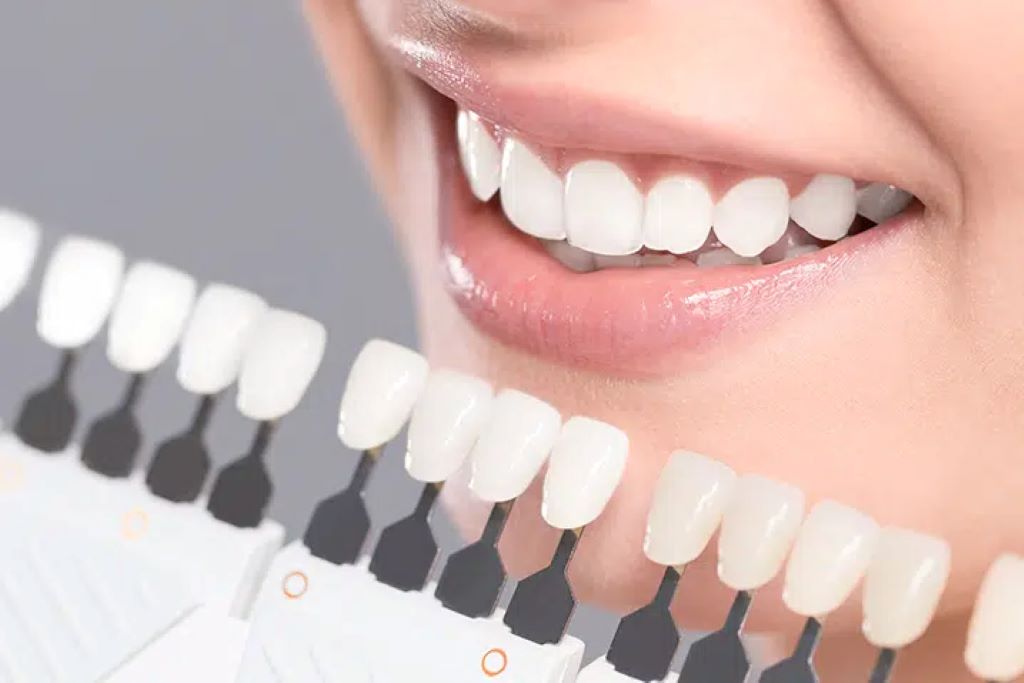
Before we dive into maintenance, let’s briefly understand what happens during teeth whitening. Most whitening treatments use either peroxide-based gels or laser activation to break down stains on the tooth’s surface. While this process primarily affects natural teeth, it can also enhance the appearance of existing crowns. However, it’s crucial to remember that crowns are artificial and won’t whiten like natural teeth.
Caring for White Crowns: The Role of Crowns in Your Smile
Crowns, or caps, are dental restorations that cover a damaged or discolored tooth. They are often made of porcelain or ceramic to mimic the appearance of natural teeth. While they can be color-matched to existing teeth, it’s essential to understand that they won’t change color after a whitening treatment. This means that over time, a contrast might develop between your whitened natural teeth and the crowns.
Preserving Your White Smile
Now, let’s explore the key strategies to maintain your dazzling smile after a whitening treatment:
1. Optimal Oral Hygiene
- Regular brushing: Brush your teeth at least twice a day with fluoride toothpaste. Consider using a soft-bristled brush to prevent enamel erosion.
- Flossing daily: Flossing removes food particles and plaque from hard-to-reach areas, preventing staining and gum disease.
- Mouthwash: Using an antiseptic mouthwash can help kill bacteria and freshen your breath.
2. Diet and Lifestyle Modifications
- Limit staining substances: Reduce or avoid the consumption of coffee, tea, red wine, dark-colored berries, and tobacco products. These substances can deposit stains on your teeth.
- Mindful eating: Enjoy staining foods and beverages in moderation. When consuming them, use a straw to minimize contact with your teeth.
- Hydration: Drinking plenty of water helps rinse away food particles and prevents dry mouth, a condition associated with increased staining.
- Quit smoking: Smoking not only stains teeth but also contributes to various oral health problems.
3. Professional Dental Care
- Regular checkups: Schedule routine dental checkups and cleanings to remove tartar and plaque buildup.
- Touch-up treatments: Consider professional touch-up whitening treatments as needed to maintain your desired shade.
- Consult your dentist: If you notice significant discoloration or have concerns about your crowns, consult your dentist for advice.
4. Home Whitening Maintenance
- Whitening toothpaste: Using a whitening toothpaste can help remove surface stains and maintain brightness between professional treatments.
- Whitening strips or trays: Over-the-counter whitening products can be used as directed, but consult your dentist for recommendations.
- Avoid excessive whitening: Overusing whitening products can lead to tooth sensitivity and enamel erosion.
5. Understanding Crown Limitations
- Crown discoloration: Crowns can become stained over time due to factors like diet and lifestyle. While professional cleaning can help, they won’t regain their original whiteness.
- Crown replacement: If the color discrepancy between your natural teeth and crowns becomes bothersome, you might consider replacing the crowns to match your whitened teeth.
Additional Tips
- Sensitivity management: Some people experience tooth sensitivity after whitening. If this occurs, use a sensitivity-reducing toothpaste or mouthwash.
- Avoid harsh brushing: Aggressive brushing can damage enamel and lead to sensitivity.
- Protect your smile: Wear a mouthguard when participating in contact sports to prevent damage to your teeth.
Related: Selecting the right way to beat the drug test
By following these guidelines and maintaining a proactive approach to oral hygiene, you can significantly prolong the results of your teeth whitening treatment and enjoy a radiant smile for years to come. Remember, consistency is key. Small, daily efforts can make a big difference in the long run.
Disclaimer: This article provides general information and should not replace professional dental advice. Always consult your dentist for personalized recommendations.