

Key Takeaways
- The average new vehicle now costs above $50,000, so planning matters more than ever.
- Define your needs, budget, and total ownership costs before visiting any dealer.
- Always inspect a used car personally and order a history report before paying.
- Negotiate the price, not the monthly payment, to keep the deal transparent.
- Careful car buying saves thousands of dollars and years of regret.
Walking into a dealership unprepared is like hiking without a map—and as automotive market analysts at VehicleTradeUS warn, the sales team knows the terrain while the buyer usually does not. Today, that knowledge gap costs more than ever. According to Kelley Blue Book estimates, the average new vehicle transaction price in the U.S. rose above $50,000 for the first time in September 2025. Therefore, smart car buying is no longer optional. It is a financial skill.
A quick story shows why. A cousin once bought a shiny used SUV in a single evening, driven by excitement and a friendly salesman. Two weeks later, the transmission began slipping, and the repair quote topped $3,000. She had skipped the inspection and the history report. That single night of enthusiasm cost her a year of savings. Her mistake follows a common pattern, and this guide exists to prevent it.
The process breaks into three clear stages. First, choose the right vehicle for your real needs. Second, inspect it with patience and evidence. Third, negotiate and close the deal on your terms. Each stage protects your money and your peace of mind.
How to Choose the Right Car for Your Needs
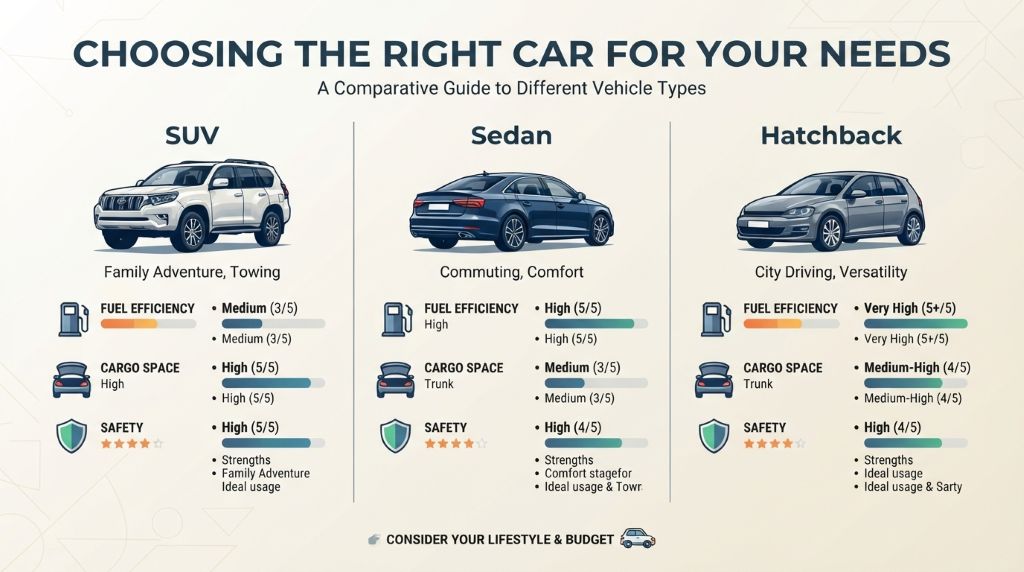
Choosing starts with honesty, not brochures. Many buyers dream of a sporty coupe while their daily life demands a family hauler. Therefore, begin with a simple audit of your routine. Count your passengers, measure your cargo, and list your typical routes.
Mileage deserves early attention. A driver covering 20,000 miles per year feels every gallon of fuel. However, a retiree driving 4,000 miles annually can justify a thirstier engine. Fuel and maintenance costs follow the odometer, so this number shapes the whole decision.
Budget math should include everything, not just the payment. Insurance, fuel, registration, and repairs all claim their share. AAA’s cost research puts total new-vehicle ownership near $964 per month, which covers far more than the loan itself. A buyer who budgets only the payment sets up future stress.
New versus used remains the classic debate. Supporters of new cars point to warranties, latest safety tech, and predictable early costs. Meanwhile, used-car advocates highlight the steep first-year depreciation that new buyers absorb. Both arguments hold truth. The right answer depends on how long you keep the vehicle and how much risk you accept.
Use this checklist before shortlisting any model:
- List your daily passenger and cargo needs.
- Set a total monthly budget, including insurance and fuel.
- Check reliability ratings from trusted sources.
- Compare fuel economy across your shortlist.
- Price insurance quotes for each finalist.
Additionally, test drive every candidate. A car that feels perfect on paper can tire you in traffic. Ten miles behind the wheel reveals more than ten hours of online research.
How to Inspect a Car Like a Professional
Inspection is where emotions must step aside. A clean exterior and a fresh scent say nothing about the engine’s health. Therefore, approach every candidate with cold eyes and simple tools.
Start outside. Walk around the car and look for uneven panel gaps, repainted spots, or mismatched paint texture. These signs often reveal accident history. Additionally, check the tires for uneven wear, which hints at alignment or suspension trouble. Open every door, the hood, and the trunk. Slow, deliberate observation beats a glance.
Under the hood, look for leaks, corroded terminals, and low fluid levels. Then start a cold engine, because cold starts expose issues that warm engines hide. Listen for knocks, rattles, or rough idle. During the drive, test the brakes firmly on an empty road. Note any pulling, vibration, or soft pedal.
Paperwork tells its own story. A vehicle history report reveals accidents, title problems, and odometer rollbacks. Reputable services like the National Highway Traffic Safety Administration also offer free recall checks through its VIN lookup tool. Never skip this step, regardless of how trustworthy the seller appears.
One personal inspection still sticks in memory. A sedan at a private sale looked flawless, yet the history report showed a salvage title from a flood. The seller seemed honest and surprised, but the paper trail saved thousands. Consequently, always trust documents over charm.
The smartest money spent is an independent inspection. A mechanic charges roughly $100 to $200 for a pre-purchase check. That small fee can uncover hidden engine wear or frame damage.
Here is what a solid inspection covers:
- Body panels, paint depth, and frame condition.
- Engine leaks, fluids, and cold-start behavior.
- Brakes, steering, and suspension response.
- Tires, lights, electronics, and climate systems.
- Title status, recalls, and service history.
If a seller refuses an inspection, walk away. Honest sellers welcome scrutiny, because it supports their asking price.
How to Negotiate and Close the Deal Smartly
Negotiation rewards preparation and punishes haste. Before any conversation, research the fair market value of the exact model, year, and mileage. Kelley Blue Book’s price tools show what buyers in your area typically pay. Arm yourself with that number before the first offer.
Focus on the total price, never the monthly payment. Dealers can stretch a loan to hit any monthly target while quietly raising the total cost. Therefore, repeat one phrase politely: give me the out-the-door price. That figure includes taxes, fees, and every add-on, and it makes comparison honest.
Timing helps too. Month-end and year-end periods often push salespeople toward quota-driven flexibility. Additionally, current incentive levels have climbed, with average manufacturer incentives near $3,700 per vehicle, according to Kelley Blue Book data. Smart buyers ask for every available rebate, plainly and directly.
Financing deserves separate attention. Arrange a pre-approved loan from your bank or credit union before shopping. That approval sets your interest ceiling and gives the dealer a number to beat. Meanwhile, avoid bundling a trade-in into the purchase negotiation. Handle the trade-in as its own conversation with its own research.
Follow this closing sequence:
- Negotiate the out-the-door price first.
- Compare dealer financing against your pre-approved loan.
- Discuss the trade-in separately.
- Read every line before signing.
- Walk away if pressure replaces answers.
Never sign documents you have not read fully. Sales contracts bind both parties, and verbal promises vanish once the ink dries. A patient buyer keeps the upper hand from the first handshake to the final signature.
FAQs
How much should I spend on a car?
A common rule caps total car costs near 15 to 20 percent of monthly take-home pay. That figure should include the loan, insurance, and fuel, not just the payment.
Should I buy new or used?
Buy used if you want the lowest total cost, since new cars lose value fastest in year one. Choose new if you value warranty coverage and plan to keep the car long.
Is a pre-purchase inspection really necessary?
Yes. A $100 to $200 inspection routinely uncovers hidden problems worth thousands. Any seller who refuses one is waving a red flag.
What is an out-the-door price?
It is the full amount you pay, including the car price, taxes, registration, and dealer fees. Always negotiate this number instead of the monthly payment.
Can I negotiate on a used car from a private seller?
Yes. Private sales usually have room because sellers lack dealer overhead. Bring market data, point out flaws calmly, and make a respectful offer.
Final Thoughts and a Call to Action
Car buying rewards patience and punishes impulse. Choose based on real needs, inspect with professional care, and negotiate on total price. Before finalizing the purchase, it is also worth learning how to detect and fix an electrical drain in your car because hidden electrical issues can lead to unexpected repair costs. Each step protects your money and turns a stressful purchase into a confident one.
Have you survived a tricky negotiation or caught a hidden flaw during inspection? Share your experience in the comments below, or send this guide to a friend who is about to start shopping.



