

There’s something undeniably soothing about a long, warm bath. It’s a sanctuary where the world melts away, and stress begins to dissolve. But why stop at a simple soak when you can transform your bathroom into a personal spa with recipes for relaxation? DIY bath soaks, crafted with nature’s finest ingredients, can elevate your bathing experience to new heights of relaxation and rejuvenation.
Recipes for Relaxation: The Science of Soaking
Before we dive into the recipes, let’s explore the science behind why bath soaks work their magic.
- Epsom Salt: This popular bath additive contains magnesium and sulfate, minerals that can help relax muscles, reduce inflammation, and improve sleep quality.
- Baking Soda: Softens the water and helps soothe skin irritations.
- Essential Oils: These concentrated plant extracts offer both physical and emotional benefits. Lavender, for instance, is renowned for its calming properties, while peppermint can invigorate the senses.
- Oats: Known for their soothing properties, colloidal oatmeal can help relieve itching and inflammation.
Recipes for Relaxation: Creating Your Perfect Soak
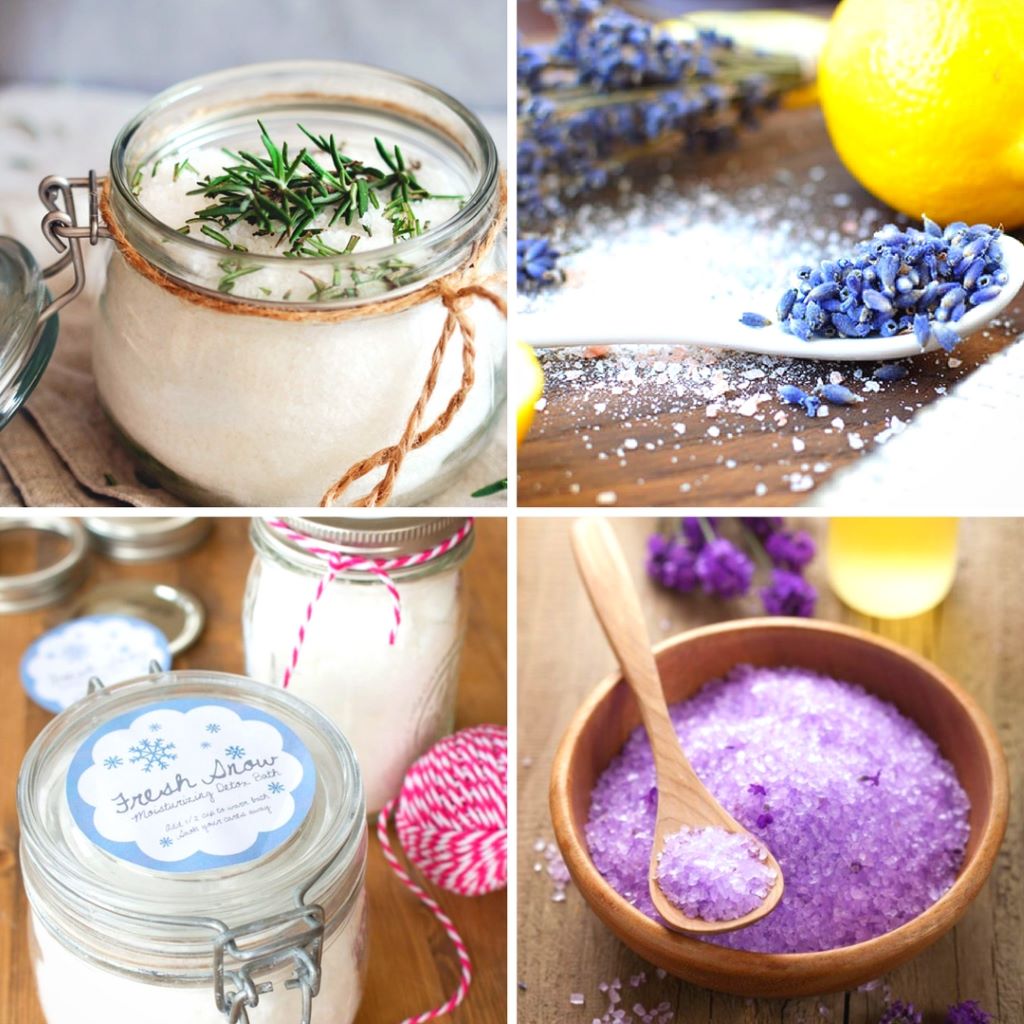
Image Source
When formulating your bath soak, consider your desired outcome. Are you aiming to unwind, energize, or soothe sore muscles? The ingredients you choose will play a crucial role. For relaxation, lavender and chamomile are excellent choices. If you want to invigorate, try citrus oils or peppermint. To ease muscle tension, Epsom salts and eucalyptus can be beneficial. As you explore different combinations, you might also want to explore Secrethomeremedies review on nutriçao parenteral for additional insights on wellness and self-care. Remember, the right blend of ingredients can transform your bath into a therapeutic experience tailored to your specific needs.
Unwinding and Stress Relief:
- Lavender, chamomile, and ylang-ylang essential oils
- Epsom salt
- Dried lavender or chamomile flowers
Energizing and Revitalizing:
- Peppermint, rosemary, or grapefruit essential oils
- Sea salt
- Coffee grounds (for exfoliation)
Soothing Sore Muscles:
- Eucalyptus, ginger, or juniper berry essential oils
- Epsom salt
- Himalayan pink salt
Recipes for Relaxation: DIY Bath Soak Recipes
Here are a few recipes to inspire your creativity:
Lavender Dream Bath Soak
- 2 cups Epsom salt
- 1/2 cup dried lavender buds
- 10 drops of lavender essential oil
Combine all ingredients in a glass jar with a tight-fitting lid. Shake well to distribute the essential oil evenly.
Citrus Burst Bath Soak
- 2 cups sea salt
- 1/4 cup dried orange peel
- 5 drops of grapefruit essential oil
- 3 drops of lemon essential oil
Mix the sea salt and dried orange peel in a bowl. Add essential oils and stir well. Store in an airtight container.
Soothing Oatmeal Bath Soak
- 1 cup ground oatmeal
- 1/2 cup baking soda
- 1/4 cup Epsom salt
- 5 drops of chamomile essential oil
Combine all ingredients in a bowl and mix thoroughly. Store in an airtight container.
Tips for the Ultimate Bath Experience
- Water Temperature: Aim for a warm, not hot, bath to prevent skin dryness.
- Set the Mood: Dim the lights, light some candles, and play soft music.
- Hydration: Drink plenty of water before and after your bath to replenish fluids.
- Skincare: Follow up with a gentle moisturizer to lock in hydration.
Holiday Hustle Bustle Escape: What to Pack for a Relaxing Couples Spa Day
Recipes for Relaxation: Additional Ingredients to Explore
- Dead Sea Salt: Rich in minerals, it can help soothe skin conditions like eczema.
- Clay: Absorbs impurities and helps detoxify the skin.
- Milk: Contains lactic acid, which can help soften the skin.
- Honey: A natural humectant that hydrates and nourishes the skin.
Remember, the key to a truly indulgent bath experience is to experiment and find what works best for you. By combining the right ingredients and creating a relaxing atmosphere, you can transform your bathroom into a personal oasis.
Related: Chest Shape and Self-Esteem: Finding Support and Resources
Disclaimer: While many bath soak ingredients are safe for most people, it’s essential to do a patch test before using new products, especially if you have sensitive skin or allergies. If you have any concerns about your health, consult with a healthcare professional.


