

Indoor cycling has become increasingly popular among fitness enthusiasts who want to maintain their training routines regardless of weather conditions. However, many cyclists face a common dilemma: how to practice indoors without sacrificing valuable living space. The solution lies in choosing the right equipment that combines functionality with compact design. This guide will walk you through everything you need to know about selecting equipment that fits your lifestyle and space constraints.
Why Space-Saving Equipment Matters
Modern living spaces are becoming smaller, especially in urban areas. Apartments and homes often lack dedicated workout rooms, making it challenging to accommodate bulky fitness equipment. Therefore, finding solutions that fold away when not in use has become essential for many cyclists. A well-designed trainer allows you to maintain your fitness goals without turning your living room into a permanent gym.
Furthermore, compact equipment offers flexibility. You can easily move it from room to room or take it along when traveling. This versatility makes indoor training more accessible and convenient for people with varying living situations.
Key Features to Look For
When searching for a space saving bike stand, several important factors deserve your attention. Understanding these features will help you make an informed decision that meets both your training needs and storage requirements.
Folding Mechanism
The folding system is the most critical aspect of any compact trainer. Look for designs that collapse quickly and easily. Some models fold in half, while others have legs that tuck underneath. The best mechanisms require minimal effort and no additional tools. Consider how often you’ll need to fold and unfold the unit, as this will impact your daily experience.
Additionally, check the stability of the folding joints. They should lock securely when extended to prevent wobbling during intense workouts. Quality construction in these areas ensures both safety and longevity.
Weight and Portability
A truly portable cycling trainer should be light enough to move comfortably. Most compact models weigh between 20 and 40 pounds. However, lighter doesn’t always mean better. The unit must be heavy enough to remain stable during vigorous pedaling. Strike a balance between portability and steadiness based on your training intensity.
Moreover, consider whether the trainer has built-in handles or wheels. These features make transportation much easier, especially if you plan to move it frequently between rooms or floors.
Storage Dimensions
Measure your available storage space before shopping. A trainer might fold compactly but still be too large for your closet or under your bed. Check the folded dimensions carefully. Some units collapse to just a few inches thick, while others remain bulkier even when folded.
Think about where you’ll store the equipment. Will it slide under furniture, stand in a corner, or go into a closet? Having these measurements ready will save you from disappointment after purchase.
Types of Compact Trainers
Several categories of trainers offer space-saving benefits. Each type has distinct advantages and limitations that suit different training styles and goals.
Wheel-On Trainers
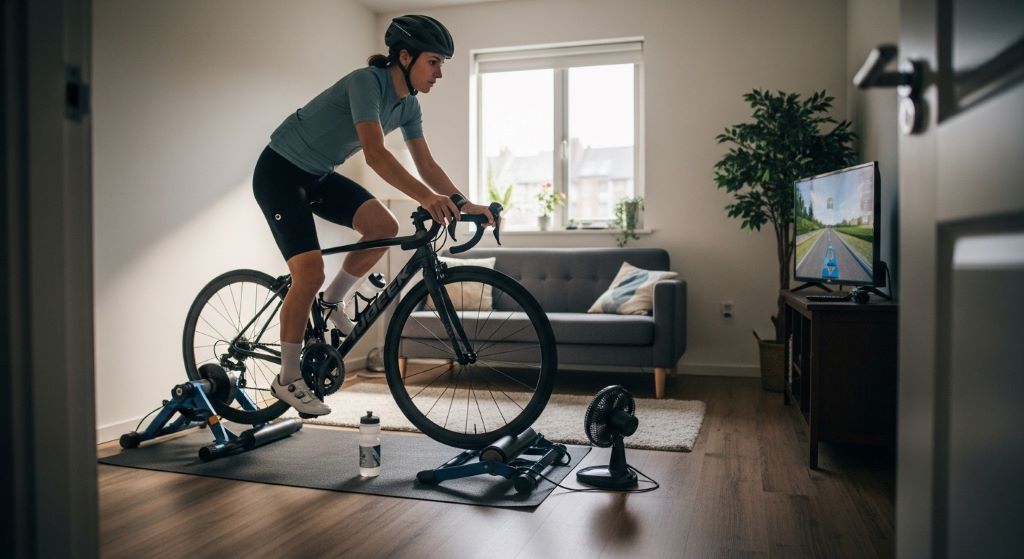
These trainers allow you to keep your rear wheel attached to your bike. Your tire rests on a roller that provides resistance. Many wheel-on models fold quite compactly because they have simpler mechanisms. They’re typically more affordable and easier to set up quickly.
However, they may create more noise and tire wear compared to other options. They also tend to be less realistic in terms of road feel. Nevertheless, for casual riders or those on a budget, they offer excellent value.
Direct-Drive Trainers
Direct-drive systems require removing your rear wheel. The bike connects directly to the trainer’s cassette. While these units often provide better performance and quieter operation, they’re generally heavier and bulkier. Some manufacturers have developed foldable versions, but they remain less common.
These trainers offer superior accuracy and a more realistic riding experience. If performance matters most to you and you have slightly more storage space, they’re worth considering.
Roller Trainers
Rollers consist of three drums that your bike balances on freely. Traditional rollers already have a relatively small footprint. Some modern designs fold even more compactly. They provide excellent balance training and a natural riding feel.
On the other hand, they have a learning curve. New users often struggle with balance initially. They also don’t offer variable resistance like other trainer types. Still, for experienced cyclists seeking minimal storage impact, they’re an attractive option.
Assessing Your Space Constraints
Take inventory of your living area before making a purchase. Different spaces present unique challenges and opportunities for indoor cycling equipment.
Small Apartments
In tight quarters, every square foot matters. Look for trainers that fold to less than six inches thick. Vertical storage solutions work well in small spaces. Some trainers can stand upright in a narrow gap between furniture or appliances.
Additionally, consider noise levels carefully. Thin walls mean your neighbors will hear loud equipment. Quieter models become essential in apartment settings.
Multi-Purpose Rooms
If your trainer will live in a living room, bedroom, or home office, quick setup and breakdown become priorities. Choose models that transform in under a minute. The easier the process, the more likely you’ll actually use the equipment regularly.
Also, think about aesthetics. Some trainers look more attractive than others when stored. Sleek designs blend better into living spaces than industrial-looking equipment.
Garage or Basement
These areas typically offer more flexibility. You might not need the most compact option if you have dedicated workout space. However, a portable cycling trainer still offers advantages. You can move it aside when working on other projects or storing seasonal items.
Climate control matters in these spaces too. Garages and basements experience temperature and humidity fluctuations. Choose trainers with weather-resistant components if storing in these environments.
Budget Considerations
Foldable trainers span a wide price range, from under $150 to over $1,000. Understanding what drives these price differences helps you find the best value for your needs.
Entry-Level Options
Budget-friendly trainers typically cost between $150 and $300. They usually feature basic resistance mechanisms and simpler folding systems. While they may lack advanced features, they perform adequately for casual riders or beginners.
These models often work well for people unsure about their long-term commitment to indoor cycling. Starting with an affordable option reduces financial risk while you explore the hobby.
Mid-Range Choices
Trainers in the $300 to $600 range offer better build quality and features. They typically provide smoother resistance, quieter operation, and more durable construction. Many include compatibility with training apps and smart features.
This price bracket offers the best balance for most serious recreational cyclists. You get significant quality improvements without paying for professional-grade features you might not need.
Premium Models
High-end trainers exceed $600 and can reach $1,500 or more. They deliver exceptional performance, realistic road feel, and advanced connectivity. However, they’re often larger and heavier, even in foldable versions.
Professional cyclists or serious enthusiasts find value in these premium options. For most people, though, mid-range trainers provide sufficient quality at a more reasonable price point.
Additional Features That Add Value
Beyond basic functionality, several extra features enhance the training experience and overall convenience.
App Connectivity
Many modern trainers connect to popular cycling apps through Bluetooth or ANT+ technology. This connectivity opens up virtual riding experiences, structured workouts, and online racing. While not essential, it significantly increases motivation and enjoyment for many users.
Check compatibility with your preferred apps before purchasing. Some trainers work with specific platforms only.
Adjustable Resistance
Variable resistance lets you simulate different terrains and training intensities. Electronic resistance adjustment provides the smoothest experience. However, even manual adjustment systems offer valuable flexibility for diverse workouts.
Consider your training goals when evaluating resistance options. Casual riders might not need highly sophisticated systems, while competitive cyclists benefit from precise control.
Built-In Displays
Some trainers include screens showing speed, distance, power, and other metrics. These displays eliminate the need for separate cycling computers. However, they also add bulk and cost. Determine whether this convenience justifies the trade-offs for your situation.
Maintenance and Durability
A space saving bike stand should last for years with proper care. Understanding maintenance requirements helps you protect your investment.
Regular Cleaning
Sweat corrodes metal components over time. Wipe down your trainer after each use. Pay special attention to areas where moisture accumulates. This simple habit dramatically extends equipment lifespan.
Use appropriate cleaning products that won’t damage plastic or rubber components. Harsh chemicals can degrade materials prematurely.
Moving Parts Care
Folding mechanisms and resistance units require occasional lubrication. Follow manufacturer guidelines for maintenance schedules. Well-maintained moving parts operate smoothly and last longer.
Inspect joints and connections regularly for signs of wear. Addressing small issues early prevents bigger problems later.
Storage Conditions
Even when folded, protect your trainer from extreme temperatures and moisture. These environmental factors accelerate deterioration. If storing in a garage or basement, consider using a cover for additional protection.
Making Your Final Decision
After considering all these factors, narrow down your options systematically. Create a checklist of must-have features versus nice-to-have extras. This approach keeps you focused on what truly matters for your situation.
Read reviews from actual users to learn about real-world performance. Pay attention to comments about ease of folding, stability, and durability. Customer feedback often reveals issues not apparent from product descriptions.
Moreover, consider the warranty offered. A solid warranty indicates manufacturer confidence in their product. It also provides peace of mind for your investment.
Conclusion
Finding the right foldable bike trainer involves balancing multiple factors including space constraints, budget, training goals, and desired features. A portable cycling trainer that folds compactly allows you to maintain your fitness routine without sacrificing living space. Focus on folding mechanisms that operate smoothly, weight that you can manage comfortably, and dimensions that fit your available storage areas.
Remember that the best trainer is one you’ll actually use consistently. Therefore, prioritize convenience features that match your lifestyle. Whether you choose a wheel-on model for simplicity, a direct-drive system for performance, or rollers for natural feel, ensure it meets your specific needs. With careful consideration of the factors outlined in this guide, you’ll find equipment that supports your cycling goals while respecting your space limitations.
Frequently Asked Questions
How much space does a foldable bike trainer typically require when stored?
Most foldable trainers collapse to dimensions between 4 to 8 inches thick, 15 to 25 inches wide, and 20 to 30 inches long. However, measurements vary significantly between models. Always check specific product dimensions before purchasing. Many units fit under beds, in closets, or behind doors when properly folded. Measure your intended storage location to ensure compatibility.
Can I use any bike with a foldable trainer?
Most trainers accommodate standard road and mountain bikes with wheel sizes between 26 and 29 inches. However, compatibility depends on the trainer type. Wheel-on models work with almost any bike, while direct-drive trainers require specific axle standards. Check your bike’s specifications against the trainer’s compatibility list. Some trainers need adapters for different axle types or wheel sizes.
Are foldable trainers as stable as permanent setups?
Quality foldable trainers provide excellent stability when properly set up. The key lies in choosing models with secure locking mechanisms and wide stances. While some ultra-lightweight portable options may wobble during intense sprints, most mid-range and higher models perform comparably to non-folding alternatives. Read reviews focusing on stability to find reliable options.
How long does it take to set up and fold away a typical trainer?
Well-designed foldable trainers set up in 30 seconds to 2 minutes and fold away even faster. The exact time depends on the model and your familiarity with the process. Initial setup might take longer as you learn the mechanism. However, most users develop quick routines after a few uses. If convenience matters greatly, prioritize models specifically praised for easy setup.
Do foldable bike trainers work with training apps like Zwift?
Many modern foldable trainers include Bluetooth or ANT+ connectivity for popular cycling apps. However, not all models offer this feature, especially budget options. Check product specifications for smart trainer capabilities if app compatibility matters to you. Some trainers provide basic connectivity while others offer full interactive control of resistance based on virtual terrain.
Related Topics:
Is Insanity Just Cardio? Unveiling the Truth About Effective Workouts
When Can I Start Skipping Rope After C-section


