

Frequent travel demands reliable luggage that withstands constant use, rough handling, and various weather conditions. Choosing the right suitcase can mean the difference between stress-free journeys and frustrating equipment failures. This guide will help you select luggage that lasts for years while meeting your specific travel needs.
Why Durability Matters for Regular Travelers
Travelers who fly monthly or weekly put their luggage through intense wear and tear. Airport baggage handlers toss cases onto conveyor belts. Overhead bins squeeze bags into tight spaces. Rain, snow, and extreme temperatures test materials constantly. Therefore, investing in quality luggage saves money over time and prevents travel disruptions.
Consider how often you travel annually. Business professionals making 50 trips per year need different durability standards than leisure travelers taking three vacations. Additionally, your destination types matter. Urban travel creates different demands than adventure trips to remote locations.
Material Selection for Long-Lasting Bags
The material of your luggage determines its lifespan and performance. Each option offers distinct advantages and trade-offs.
Hard-Shell Materials
Hard-shell cases provide excellent protection for packed items. They resist impacts better than soft materials. Modern polycarbonate shells offer flexibility that prevents cracking upon impact. These cases bounce back from dents and maintain their shape through years of use.
Aluminum luggage represents the premium tier of hard-shell options. This material delivers unmatched strength and protection. However, it weighs more than polymer alternatives. The metal construction ensures your belongings stay safe even during rough handling. Many travelers appreciate the professional appearance that comes with metal cases.
Polypropylene serves as another popular hard-shell choice. It costs less than polycarbonate while still providing solid durability. The material resists scratches reasonably well. Nevertheless, it may crack more easily under extreme stress compared to premium options.
Soft-Side Alternatives
Soft luggage made from ballistic nylon or polyester offers flexibility and lighter weight. These materials expand slightly to accommodate extra items. They also resist tearing when manufactured with high thread counts. Additionally, soft cases often include exterior pockets for easy access to essentials.
Quality soft luggage features reinforced corners and stress points. Look for double stitching throughout the construction. Water-resistant coatings help protect contents from moisture. However, soft materials provide less protection against crushing compared to hard shells.
Evaluating Exterior Durability Features
The outer surface of your luggage faces constant abuse. Several features enhance long-term durability.
Surface Protection Technologies
A scratch resistant suitcase maintains its appearance through countless trips. Modern manufacturing techniques create surfaces that hide minor abrasions. Textured finishes work particularly well for concealing everyday wear. Matte surfaces show fewer scratches than glossy alternatives.
Some manufacturers apply protective coatings that increase resistance to scuffs. These treatments help cases look newer for longer periods. Furthermore, they often make cleaning easier by preventing dirt from embedding in the material.
Corner and Edge Reinforcement
Corners absorb the most impact during travel. Quality luggage includes reinforced corner guards made from rubber or reinforced plastic. These protectors extend the life of your case significantly. They prevent the most common failure points from developing cracks or breaks.
Edge guards along seams provide similar protection. They distribute impact forces across wider areas. This design prevents concentrated stress that causes material failure. Moreover, reinforced edges maintain the structural integrity of your luggage over time.
Wheel and Handle Durability
Moving parts represent the most likely failure points on any luggage. Selecting quality components in these areas proves essential.
Wheel Systems That Last
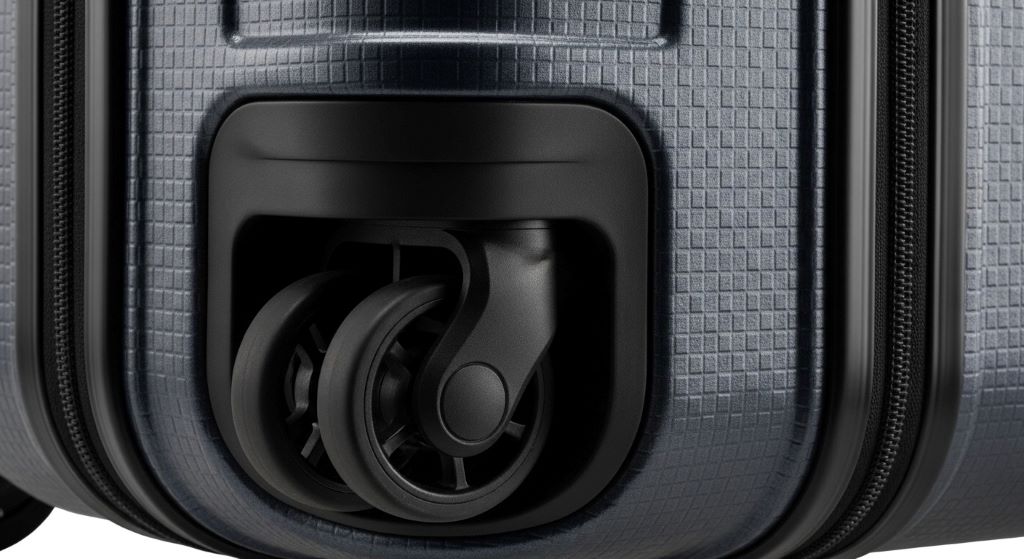
Modern luggage typically features either two or four wheels. Four-wheel spinner systems offer easier maneuverability. However, they include more components that could potentially fail. Look for wheels made from polyurethane rather than plastic. This material resists wear and rolls more smoothly.
Quality wheel housings prevent debris from jamming the mechanism. Sealed bearings keep wheels spinning freely despite dirt exposure. Additionally, replaceable wheels allow repairs instead of replacing entire cases. Some premium brands offer lifetime wheel replacement programs.
Handle Mechanisms
Telescoping handles endure constant extension and retraction. Aluminum handle tubes provide superior strength compared to plastic alternatives. They resist bending under stress and maintain smooth operation longer. Furthermore, metal handles typically feature more secure locking mechanisms.
Check that handles lock firmly at multiple heights. Loose mechanisms cause frustration and indicate poor construction quality. Quality luggage includes handles that feel solid without wobbling. The grip material should resist degradation from hand oils and sunscreen.
Zipper Quality and Alternatives
Zippers represent another common failure point on luggage. Premium zippers make significant differences in longevity.
Choosing Reliable Closures
YKK zippers have earned their reputation as industry-leading components. They resist jamming and breaking better than generic alternatives. Self-repairing zippers can realign if the teeth separate slightly. This feature prevents complete zipper failure from minor issues.
Coil zippers generally outlast toothed versions on luggage. They flex more easily around corners without stress. The continuous coil design distributes force evenly along the closure. Therefore, they rarely experience the sudden failures common with toothed zippers.
Some aluminum luggage uses frame closure systems instead of zippers. These latching mechanisms eliminate zipper failures entirely. They provide secure closures that withstand years of use. However, they typically cost more than zippered alternatives.
Interior Construction and Organization
Durable exteriors mean little if interiors fall apart quickly. Quality interior construction extends overall luggage lifespan.
Lining Materials
Polyester linings resist tearing and staining better than cheap fabrics. Look for linings attached with reinforced stitching rather than glue. Glued linings separate over time, creating loose material that tangles with contents. Additionally, quality linings include water-resistant properties that protect against spills.
Compression straps inside cases should feature strong buckles and thick webbing. These components secure contents during transport. They prevent items from shifting and damaging the interior structure. Moreover, adjustable straps accommodate various packing volumes.
Divider Systems
Removable dividers offer flexibility in organizing packed items. They should attach securely without excessive force. Zippered mesh pockets keep small items contained and visible. Quality mesh resists snagging and tearing from sharp objects.
Hard dividers protect delicate items better than soft alternatives. They create dedicated compartments that prevent crushing. Some luggage includes removable hard-side organizers that function as packing cubes.
Weight Considerations for Frequent Flyers
Airlines impose strict weight limits that affect luggage choices. Lighter cases allow more packing capacity within restrictions.
Balancing Durability and Weight
Frequent travelers face constant trade-offs between durability and weight. Heavy luggage reduces how much you can pack. However, flimsy lightweight cases fail quickly under regular use. Finding the balance requires understanding your priorities.
Polycarbonate hard-shell cases offer excellent strength-to-weight ratios. They protect contents while remaining relatively light. Conversely, aluminum luggage weighs considerably more but provides maximum protection. Business travelers carrying expensive equipment often accept the weight penalty.
Soft-side luggage typically weighs less than hard-shell alternatives. This advantage appeals to travelers who pack heavy items. Nevertheless, ensure the weight savings don’t come from cheap materials that compromise durability.
Size Selection for Different Travel Patterns
Choosing appropriate sizes prevents unnecessary wear on luggage. Oversized bags experience more handling stress than necessary.
Carry-On Considerations
Carry-on luggage avoids baggage handler abuse entirely. This extends lifespan significantly compared to checked bags. However, carry-ons must fit strict size requirements that vary by airline. International travelers should choose bags meeting the most restrictive standards.
Quality carry-ons include compression systems that maximize capacity. They allow fitting more items while maintaining compliant dimensions. Additionally, expandable sections provide flexibility when needed.
Checked Bag Durability
Checked luggage requires maximum durability. These bags endure throwing, stacking, and crushing during transport. Larger checked bags need reinforced structures to prevent warping. Look for internal frames that maintain shape under pressure.
Medium-sized checked bags often prove more durable than extra-large options. Smaller dimensions mean less material stress and easier handling. They also reduce the temptation to overpack, which strains zippers and seams.
Warranty and Repair Considerations
Manufacturers confident in their products offer comprehensive warranties. These protections provide valuable peace of mind.
Understanding Warranty Coverage
Lifetime warranties sound impressive but include important limitations. Most cover manufacturing defects rather than damage from normal use. Read warranty terms carefully before purchasing. Some brands charge handling fees that make warranty claims expensive.
Limited warranties typically cover specific periods ranging from one to ten years. They may include free repairs during the coverage period. However, shipping costs often fall on the customer. Additionally, warranties usually exclude airline damage.
Repair Availability
Choose brands with readily available replacement parts. This ensures repairs remain possible years after purchase. Some manufacturers operate repair programs that extend luggage life significantly. They replace wheels, handles, and zippers at reasonable costs.
Local repair shops can service many luggage types. However, proprietary components require manufacturer involvement. Therefore, consider long-term repair accessibility when selecting brands.
Security Features for Travel Safety
Durable luggage should also protect contents from theft. Several security features enhance protection.
Lock Systems
TSA-approved locks allow security inspections without damage. Built-in locks offer convenience compared to external alternatives. Combination locks eliminate key loss concerns during travel. However, they require remembering number sequences.
Some premium luggage includes biometric locks or Bluetooth connectivity. These high-tech options provide excellent security. Nevertheless, they introduce electronic components that could fail.
Anti-Theft Design Elements
Puncture-resistant materials prevent thieves from accessing contents through the shell. Lockable zipper pulls secure closures during transport. Some bags include security cables that attach to fixed objects. These features deter opportunistic theft in airports and hotels.
Price Versus Value Analysis
Expensive luggage doesn’t always provide the best value. Understanding price factors helps make informed decisions.
Investment Pieces Worth Considering
Premium luggage costs more upfront but often delivers lower cost per use. A scratch resistant suitcase priced at $400 that lasts ten years costs less annually than a $100 bag replaced every two years. Additionally, quality luggage reduces travel stress and protects belongings better.
Consider total cost of ownership including repairs and replacements. Budget luggage may seem economical initially. However, frequent replacements and poor performance create hidden costs. Moreover, luggage failures during trips cause frustration worth avoiding.
When Budget Options Make Sense
Occasional travelers don’t need premium durability. Someone taking two trips yearly can use mid-range luggage successfully. The reduced use means even moderate-quality bags last many years. Therefore, spending extra on features designed for frequent use makes less sense.
Students and young professionals often benefit from budget-friendly options. Their travel patterns may change significantly within a few years. Starting with affordable luggage allows upgrading once travel frequency increases.
Testing Luggage Before Purchase
Whenever possible, examine luggage physically before buying. Online reviews help but hands-on evaluation reveals quality better.
In-Store Evaluation Tips
Visit stores carrying multiple brands for direct comparison. Test wheel smoothness by rolling cases on different surfaces. Extend handles fully and check for wobbling or resistance. Additionally, examine zipper operation around corners where stress concentrates.
Lift cases to assess weight realistically. Remember that empty weight increases significantly when packed. Check that handles feel comfortable when lifting at various angles. Moreover, ensure grab handles on multiple sides for versatile carrying.
Inspect stitching quality throughout the case. Look for even, tight stitches without loose threads. Press firmly on shells to test flexibility and strength. Quality hard-shell luggage springs back immediately without creaking.
Making Your Final Decision
Selecting durable luggage requires balancing multiple factors against personal needs. No single option suits everyone perfectly.
Consider your travel frequency, typical destinations, and packed item types. Business travelers need different features than adventure seekers. Additionally, think about airline loyalty programs and their baggage policies. Frequent flyers with status receive baggage allowances that influence size choices.
Create a budget that reflects intended use duration. Quality luggage represents an investment in stress-free travel. However, avoid paying for features you won’t use regularly. Therefore, focus spending on elements that matter most for your travel style.
Conclusion
Choosing durable luggage for frequent travel involves evaluating materials, construction quality, and practical features. Hard-shell options like aluminum luggage provide maximum protection, while quality soft-side alternatives offer flexibility and lighter weight. Focus on critical durability factors including wheel quality, zipper reliability, and reinforced stress points. A scratch resistant suitcase maintains its appearance through years of use, reflecting quality construction throughout.
Balance weight considerations against durability needs based on your travel patterns. Carry-on bags avoid much baggage handler abuse, extending their lifespan significantly. Checked luggage requires maximum durability to withstand rough handling. Additionally, consider warranty coverage and repair availability when making your selection.
Invest appropriately for your travel frequency. Frequent travelers benefit from premium luggage that delivers years of reliable service. Occasional travelers can choose mid-range options that balance cost and quality effectively. Ultimately, the right luggage transforms travel from stressful to enjoyable by reliably protecting your belongings trip after trip.
Frequently Asked Questions
What is the most durable luggage material?
Aluminum and polycarbonate represent the most durable luggage materials available. Aluminum offers maximum protection and lasts decades with proper care. Polycarbonate provides excellent durability at lighter weight, making it ideal for frequent travelers who face airline weight limits.
How long should quality luggage last?
Quality luggage should last 5 to 10 years with frequent use, or up to 15 years for occasional travelers. Premium brands often exceed these timeframes significantly. Proper care including regular cleaning and avoiding overpacking extends lifespan considerably. Additionally, choosing luggage with replaceable components allows repairs that further extend usability.
Are expensive suitcases worth the investment?
Expensive suitcases prove worthwhile for travelers taking more than 10 trips annually. The cost per use becomes economical over time compared to replacing cheap luggage repeatedly. Premium bags also provide better protection, smoother operation, and less travel stress. However, occasional travelers can find adequate durability in mid-range options.
What size luggage is best for frequent travelers?
Carry-on size luggage works best for trips under one week, avoiding checked bag fees and damage. For longer trips, a medium checked bag between 25 and 27 inches provides optimal durability and capacity. Oversized bags experience more stress and handling damage while making travel more cumbersome.
How can I make my luggage last longer?
Regular cleaning prevents dirt from degrading materials and mechanisms. Avoid overpacking beyond recommended weight limits, which stresses seams and zippers. Store luggage properly in dry locations away from extreme temperatures. Additionally, use luggage covers during flights to prevent scratches and scuffs from baggage handling equipment.
Related Topics:
How to Pick a Quiet Aquarium Air Pump for Bedroom Tanks
How to Find a Foldable Bike Trainer Stand That Saves Space



