

Keeping your baby warm and comfortable is a top priority for every parent. When the temperature drops, choosing the right heating solution for your nursery becomes crucial. Two popular options consistently emerge in discussions about baby room heating: oil-filled heaters and ceramic heaters. Each type offers distinct advantages and potential drawbacks that deserve careful consideration.
Making this decision requires understanding how each heater works, what safety features they offer, and how they fit into your specific situation. The wrong choice could mean inefficient heating, higher electricity bills, or worse, potential safety hazards. This comprehensive guide will help you navigate these options and make an informed decision for your little one’s comfort and safety.
Understanding How Oil-Filled Heaters Work
Oil-filled heaters operate through a simple yet effective mechanism. These units contain diathermic oil sealed inside metal columns or fins. When you turn on the heater, an electric element heats the oil, which then circulates through the columns. The metal exterior gradually warms up and releases heat into the surrounding air.
This heating method creates what many parents appreciate as a steady heat heater that maintains consistent temperatures. The oil retains warmth for extended periods, meaning the heater continues radiating heat even after the heating element cycles off. This residual heat effect makes oil-filled models particularly energy-efficient over long heating sessions.
The surface of an oil-filled heater feels warm rather than hot to the touch. While you should still keep babies away from direct contact, these units generally pose less burn risk than some alternatives. The gradual heating process means the room temperature rises slowly and maintains stability without dramatic fluctuations.
These heaters operate silently, which is a significant advantage in a baby’s room. There are no fans or moving parts to create noise that might disturb your baby’s sleep. Parents often appreciate this quiet operation during nighttime use.
How Ceramic Heaters Function
Ceramic heaters work quite differently from their oil-filled counterparts. These units use ceramic plates attached to metal coils. When electricity passes through the coils, they heat up rapidly. The ceramic plates then absorb and radiate this heat into the room.
Most ceramic heaters include a fan that blows air across the heated ceramic plates. This forced-air system distributes warmth quickly throughout the space. You’ll notice the room heating up much faster than with an oil-filled model, which can be beneficial when you need immediate warmth.
Some ceramic models function as a radiant heater for baby rooms, directing warmth toward specific areas rather than heating the entire space. This focused heating can be useful if you want to create a warm zone around the changing table or nursing area without overheating the whole room.
The rapid heating capability means ceramic heaters respond quickly to thermostat settings. When the desired temperature is reached, they cycle off promptly. However, once off, they stop producing heat almost immediately, unlike oil-filled heaters that continue radiating stored warmth.
Safety Considerations for Baby Rooms
Safety should be your primary concern when choosing any heating device for a nursery. Both heater types offer safety features, but they function differently and present distinct considerations.
Oil-filled heaters typically have cooler surface temperatures, reducing burn risks if your curious toddler manages to touch the unit. The sealed oil system means there’s no risk of leaks or spills. These heaters usually feature tip-over protection that automatically shuts off the unit if it falls over, which is essential when young children are around.
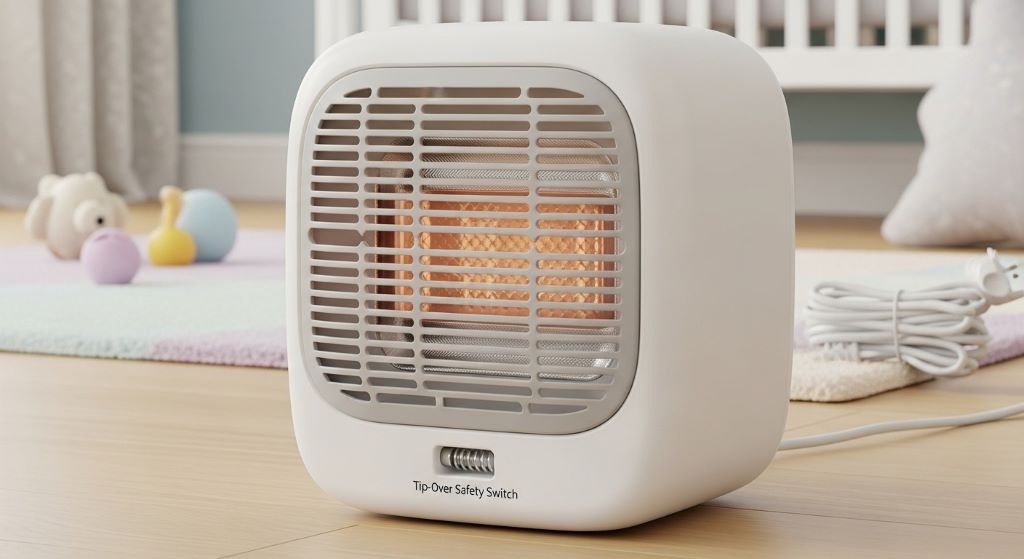
Ceramic heaters often have hotter surfaces, particularly near the heating element and vent areas. Many models include protective grills, but these can still become quite warm. Therefore, placement becomes more critical with ceramic units. You’ll need to ensure the heater stays well out of reach, which can be challenging as babies grow into mobile toddlers.
Both heater types should include overheat protection that shuts down the unit if internal temperatures exceed safe limits. This feature prevents fire hazards and equipment damage. Always verify that any heater you consider includes this essential safety mechanism.
Consider the stability of each unit. Oil-filled heaters tend to be heavier and more stable, making them harder for an active toddler to knock over. Ceramic heaters are often lighter and more portable, which can be convenient but also means they’re easier to tip.
Energy Efficiency and Operating Costs
Understanding the energy consumption patterns of each heater type helps you make a cost-effective choice. Operating costs can add up significantly over a cold season, especially if you run the heater for many hours daily.
Oil-filled heaters consume more electricity during the initial warm-up phase, which can take 20 to 30 minutes. However, once heated, they maintain temperature efficiently. The oil’s heat retention means the heating element cycles off frequently, reducing overall power consumption. For rooms that need heating for extended periods, this efficiency becomes particularly noticeable.
Ceramic heaters heat up quickly, typically reaching operating temperature within minutes. This rapid heating uses less energy initially. However, because they don’t retain heat, they cycle on more frequently to maintain room temperature. For short heating sessions, ceramic models often prove more economical. For all-day heating, the advantage may shift toward oil-filled options.
Room size affects efficiency for both types. Oil-filled heaters work best in smaller to medium-sized rooms where their gradual, even heating can effectively maintain comfort. Ceramic heaters excel in quickly warming smaller spaces or providing supplemental heat in specific areas.
Additionally, using a programmable thermostat with either heater type maximizes efficiency. You can set the heater to maintain optimal temperature without constantly running at full power. This smart temperature management reduces energy waste and keeps your baby comfortable.
Temperature Control and Consistency
Babies are particularly sensitive to temperature fluctuations. Their developing bodies don’t regulate temperature as effectively as adults, making consistent room temperature important for their comfort and safety.
Oil-filled heaters excel at maintaining steady temperatures once they’ve warmed up. The thermal mass of the heated oil acts as a buffer against temperature swings. When the heating element cycles off, the oil continues releasing warmth, preventing the sharp temperature drops that can occur with other heater types. This characteristic makes it an excellent steady heat heater option for nurseries.
The gradual heating process means you’re less likely to accidentally overheat the room. Parents often find it easier to dial in the perfect temperature and maintain it throughout the night without constant adjustments.
Ceramic heaters respond more quickly to thermostat settings, which can be advantageous or problematic depending on your perspective. The quick response means you can adjust temperature rapidly if your baby seems uncomfortable. However, it also means more frequent cycling on and off, which can create minor temperature variations.
Some parents prefer the ceramic heater’s ability to quickly warm a cold room before bedtime, then switch to a lower setting for overnight use. This flexibility allows you to adapt heating to different needs throughout the day.
Noise Levels and Sleep Disruption
A baby’s sleep environment should be as peaceful as possible. Any noise from heating equipment can potentially disrupt sleep patterns, especially for light sleepers.
Oil-filled heaters operate virtually silently. There are no fans, no air movement sounds, and typically just an occasional soft click as the thermostat cycles on or off. This quiet operation makes them ideal for nighttime use in nurseries. You won’t worry about the heater waking your baby during those precious nap times.
Ceramic heaters with fans produce noticeable white noise. The fan’s sound level varies by model, with some being quite quiet while others generate more noticeable noise. Interestingly, some parents find this white noise beneficial, as it can mask other household sounds that might wake the baby. However, other parents prefer complete silence for their baby’s sleep.
Furthermore, if you choose a ceramic model, look for one with variable fan speeds. Lower settings typically produce less noise while still providing adequate heating for smaller nursery spaces.
Portability and Placement Flexibility
Your ability to move and position the heater affects both convenience and safety. Different nursery layouts may favor one heater type over another.
Oil-filled heaters are heavier, typically weighing 15 to 25 pounds when full-sized. This weight provides stability but reduces portability. Most models include wheels or casters that make moving them easier despite their weight. Once positioned, they tend to stay put, which is actually a safety advantage around curious toddlers.
The radiating heat pattern from oil-filled units means they work well placed against walls or in corners. They don’t require much clearance and won’t blow dust or allergens around the room.
Ceramic heaters are generally lighter and more compact, making them easier to carry between rooms. This portability is convenient if you want to use one heater in multiple spaces throughout the day. However, their lighter weight also makes them easier for an active child to knock over, emphasizing the importance of tip-over protection.
Ceramic heaters need more careful placement because they blow air. You’ll want to avoid pointing them directly at the crib or positioning them where they’ll blow dust around. They also require clearance around air intake and output vents to function properly and safely.
Maintenance and Longevity
Understanding maintenance requirements helps you anticipate ongoing care needs and replacement timing for your investment.
Oil-filled heaters require minimal maintenance. There are no filters to clean or replace, and the sealed oil system never needs refilling. Occasional dusting of the exterior fins keeps them looking clean and maintains heating efficiency. With proper care, quality oil-filled heaters can last 10 to 15 years or more.
The main concern with oil-filled units involves checking the power cord periodically for damage and ensuring the thermostat functions correctly. If you notice any oil leaking, discontinue use immediately, as this indicates a serious problem.
Ceramic heaters need more regular attention. Models with fans should have their intake grills cleaned regularly to prevent dust buildup, which can reduce efficiency and create fire hazards. Some models include removable filters that need cleaning or replacement every few months.
The ceramic elements themselves are durable, but fans and other moving parts may wear out over time. Ceramic heaters typically last 5 to 10 years with proper maintenance, though this varies by model quality and usage intensity.
Cost Comparison and Value
Initial purchase price represents just one aspect of the total cost of ownership. Operating costs, longevity, and performance all contribute to overall value.
Oil-filled heaters generally cost more upfront, with quality models ranging from 50 to 150 dollars depending on size and features. However, their durability and energy efficiency for extended use can make them more economical over time. If you plan to heat your baby’s room consistently throughout cold months, the investment often pays off.
Ceramic heaters typically cost less initially, with many good options available between 30 and 100 dollars. This lower entry price makes them attractive for budget-conscious parents. For occasional use or supplemental heating, they offer excellent value.
Consider your specific heating needs when evaluating cost. If you only need heating for a few weeks each year or for short periods daily, a ceramic heater’s lower purchase price and quick heating make it economical. For season-long, round-the-clock heating, an oil-filled model’s efficiency may justify the higher initial cost.
Special Features to Consider
Modern heaters offer various features that enhance safety, convenience, and performance. Knowing which features matter most for baby room use helps you choose wisely.
Programmable thermostats allow you to set specific temperatures and heating schedules. This automation ensures your baby’s room stays comfortable without constant manual adjustments. Some models even include remote controls, letting you adjust settings without entering the room and potentially disturbing your sleeping baby.
Digital displays show current room temperature and settings clearly. This information helps you maintain optimal conditions and verify the heater is functioning correctly.
Timer functions let you schedule when the heater turns on and off. You might set it to warm the room before your baby’s bedtime or to shut off automatically after a certain period.
Multiple heat settings provide flexibility for different weather conditions. You don’t need full power on mildly cool days, and having lower settings available saves energy while maintaining comfort.
Safety certifications from recognized testing laboratories indicate the heater meets specific safety standards. Look for certifications from organizations like UL, ETL, or similar authorities in your region.
Making the Right Choice for Your Situation
Several factors should influence your final decision between oil-filled and ceramic heaters for your baby’s room.
Consider your climate and heating duration needs. In consistently cold climates where you’ll run the heater daily for months, a steady heat heater like an oil-filled model makes sense. The efficient, consistent heating justifies the investment. In milder climates with occasional cold snaps, a ceramic heater’s quick heating and lower cost may be more appropriate.
Think about your baby’s age and mobility. For newborns who stay in their cribs, either heater type works well when properly placed. Once your baby becomes mobile, the cooler surface of an oil-filled heater offers a safety advantage. However, its greater weight makes it more stable against pushing or pulling.
Evaluate your nursery’s size and layout. Smaller rooms heat quickly with either type, but larger spaces may benefit from an oil-filled heater’s sustained warmth. Room insulation quality also matters, as poorly insulated spaces lose heat rapidly, favoring the continuous warmth of oil-filled models.
Your sensitivity to noise plays a role too. If you or your baby are easily disturbed by sounds, the silent operation of an oil-filled heater becomes a significant advantage. Conversely, if white noise helps your baby sleep, a quiet-fan ceramic model might actually be beneficial.
Using Your Heater Safely
Regardless of which type you choose, following safety guidelines ensures your baby stays warm without unnecessary risks.
Always place heaters at least three feet away from the crib, bedding, curtains, and any flammable materials. This clearance prevents accidental contact and reduces fire risks. Never place anything on top of the heater or block its vents.
Plug the heater directly into a wall outlet rather than using extension cords or power strips. Heaters draw significant power, and extension cords can overheat, creating fire hazards. Ensure the outlet is in good condition and the circuit isn’t overloaded with other high-power devices.
Never leave any heater running unattended in a room with your baby, especially overnight, unless it has reliable automatic controls and safety features. Many parents run heaters while babies sleep, but this requires equipment specifically designed for such use with proper safety certifications.
Keep the heater on a level, stable surface where it won’t tip over. Avoid placing it on furniture where it could fall or be pulled down. The floor is typically the safest location.
Regularly inspect the power cord for damage. Frayed or damaged cords create shock and fire hazards. Replace any heater with cord damage rather than attempting repairs.
Conclusion
Choosing between oil-filled and ceramic heaters for your baby’s room ultimately depends on your specific needs, budget, and circumstances. Oil-filled heaters excel at providing consistent, quiet warmth over extended periods, making them ideal for season-long use in nurseries. Their cooler surfaces and stable design offer safety advantages as your baby grows more mobile.
Ceramic heaters shine when you need quick heating, portability, or budget-friendly options. They warm rooms rapidly and work well for supplemental or occasional heating needs. Some models function effectively as a radiant heater for baby rooms, focusing warmth where you need it most.
Both heater types can safely and effectively warm your baby’s space when chosen carefully and used properly. Prioritize models with essential safety features like tip-over protection, overheat shutoff, and proper certifications. Consider your climate, room size, heating duration needs, and budget when making your choice.
Remember that no heater replaces proper supervision and maintaining safe room temperatures between 68 and 72 degrees Fahrenheit for babies. Whichever type you choose, use it as part of a comprehensive approach to keeping your baby comfortable, safe, and healthy throughout the colder months.
Frequently Asked Questions
What temperature should I set the heater to for my baby’s room?
The ideal room temperature for babies ranges between 68 and 72 degrees Fahrenheit. This range keeps babies comfortable without overheating, which is linked to increased SIDS risk. Use a reliable room thermometer to monitor temperature rather than relying solely on the heater’s thermostat. Dress your baby appropriately for the room temperature, and adjust the heater setting to maintain this safe range.
Can I leave a heater running all night in my baby’s room?
You can run a heater overnight if it includes proper safety features like automatic shutoff, tip-over protection, and overheat prevention. Choose models specifically designed for unattended operation and always follow manufacturer guidelines. Place the heater well away from the crib and any flammable materials. Many parents successfully use heaters overnight, but safety precautions are essential.
How do I know if my baby’s room is too warm?
Signs of overheating include sweating, damp hair, flushed cheeks, heat rash, rapid breathing, or restlessness. Check your baby’s chest or back of the neck rather than hands or feet, which are often cooler. If the skin feels hot or sweaty, the room is too warm. Remove layers or reduce the heater setting. Overheating poses health risks, so maintain moderate temperatures.
Are oil-filled heaters safe to touch?
Oil-filled heaters have cooler surface temperatures than many other heater types, but they still get warm enough to potentially cause discomfort or minor burns with prolonged contact. While they’re safer than exposed heating elements, you should still keep them out of your baby’s reach. Never assume any heater is completely safe for direct contact, especially by young children.
Which heater type uses less electricity?
For extended heating sessions, oil-filled heaters typically use less electricity because they retain heat and cycle off more frequently. For short heating periods of an hour or less, ceramic heaters may be more economical due to their rapid heating. Actual consumption depends on room size, insulation, desired temperature, and how long you run the heater. Both types can be energy-efficient when used appropriately for their strengths.
Related Topics:
7 newborn care tips: a guide for new parents
When should babies use walkers?


