
The digital age has revolutionized how we book accommodations, with a plethora of online travel agencies (OTAs) vying for our attention. Trivago vs. competitors: Among these, Trivago stands out as a metasearch engine, aggregating deals from various platforms to streamline the comparison process for users. But is Trivago truly the best choice for savvy travelers seeking value? Let’s dive into a comprehensive analysis, comparing Trivago with key competitors and dissecting the factors that contribute to the overall value proposition.
Trivago: The Metasearch Giant
Trivago’s unique selling point lies in its metasearch functionality. It doesn’t directly sell hotel rooms but instead scours the internet for deals from different OTAs, hotel chains, and independent properties. This allows users to compare prices, amenities, and reviews across a vast range of options, potentially leading to significant savings. However, it’s important to note that Trivago’s search results are influenced by commercial agreements with its partners, which may prioritize certain listings over others.
Trivago vs. Competitors: Key Competitors – A Diverse Landscape
Trivago faces stiff competition from both metasearch engines and OTAs. Among its metasearch rivals, Kayak and Google Hotel Search stand out for their user-friendly interfaces and extensive search capabilities. On the OTA front, Booking.com, Expedia, and Agoda are renowned for their vast inventories, loyalty programs, and bundled deals that combine flights, hotels, and car rentals for added convenience.
Comparing Value: Beyond Price
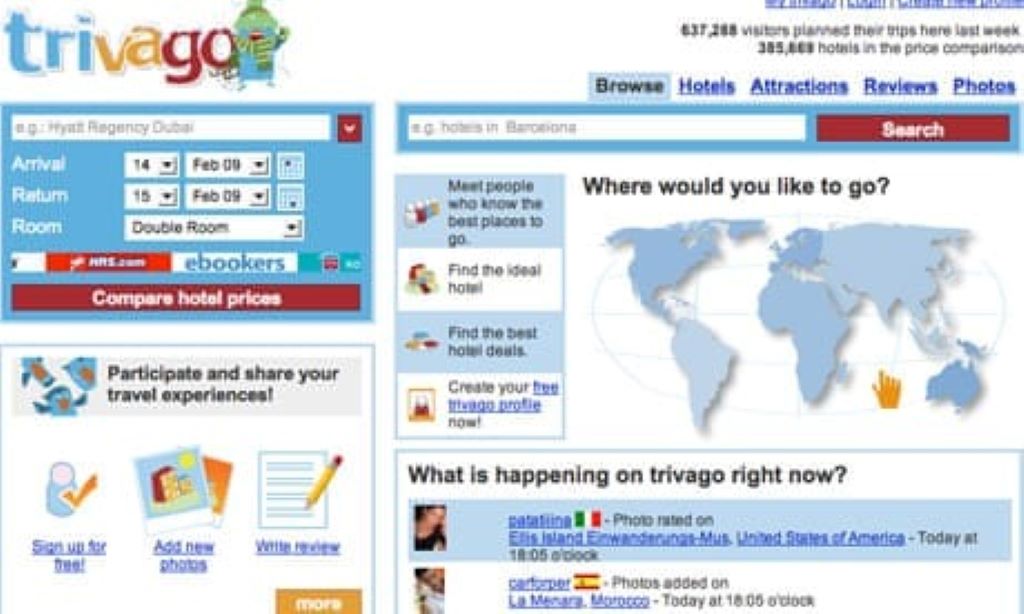
Image Source
While price is a crucial factor in any travel decision, value encompasses a broader spectrum of considerations. Let’s delve into the key aspects that determine which platform offers the best overall value:
- Price: While Trivago often showcases competitive rates due to its aggregated nature, it’s crucial to cross-check prices with other platforms to ensure you’re getting the best deal. Some OTAs might offer exclusive discounts or loyalty benefits that aren’t reflected on Trivago.
- Inventory: OTAs like Booking.com and Expedia typically boast a larger inventory of hotels compared to Trivago. This is particularly relevant if you’re looking for specific property types or locations not readily available through Trivago’s partners.
- User Experience: Each platform offers a distinct user interface and search experience. Some users prefer Trivago’s streamlined approach, while others find Kayak or Google Hotel Search more intuitive. Choosing a platform with a user experience that aligns with your preferences can enhance the booking process.
- Customer Support: When issues arise, having reliable customer support can be invaluable. OTAs generally offer more robust customer service channels compared to metasearch engines, ensuring you have assistance throughout your booking journey.
- Additional Features: Certain platforms offer unique features that can add value to your experience. For instance, some OTAs provide free cancellation options, while others offer price match guarantees or bundled deals that cater to specific travel needs.
Paramount Plus Free Trial vs. Paid Subscription: What’s the Difference?
The Verdict: It Depends
The “best” hotel booking site ultimately depends on your priorities. If price is your primary concern, Trivago’s aggregated results can be a great starting point. However, it’s crucial to compare prices with other platforms and consider factors like inventory, user experience, customer support, and additional features to make an informed decision.
For travelers seeking a wider range of options and a more comprehensive booking experience, OTAs like Booking.com or Expedia might be a better fit. Their extensive inventories, loyalty programs, and bundled deals cater to diverse preferences, while their robust customer support ensures assistance throughout your journey. While exploring options, you might wonder, “is Trivago trustworthy?” For insights into why Trivago is a good app, you can visit https://shorttripideas.com/travel-resources-and-apps/why-is-trivago-app-good/.
Trivago vs. Competitors: Pro Tips for Savvy Travelers
Regardless of the platform you choose, here are some pro tips to maximize your value when booking hotels:
- Be flexible with dates: Consider traveling during off-peak seasons or weekdays to potentially secure lower rates.
- Book in advance: Early birds often catch the best deals, especially during peak travel times.
- Read reviews: Before confirming your booking, peruse reviews from other travelers to gain insights into the property’s quality and service.
- Sign up for loyalty programs: Many OTAs offer loyalty programs that can unlock exclusive discounts and benefits.
Related: Clean Room Construction Requirements: Ensuring a Controlled Environment
In conclusion, the quest for the best hotel booking site is a personalized journey. By weighing the factors discussed above and applying the pro tips, you can confidently navigate the vast landscape of online travel agencies and secure accommodations that align with your budget and preferences. Happy travels!