
Working with metal requires precision and efficiency. A magnetic tape measure can revolutionize how you approach metalworking projects, from simple repairs to complex fabrications. This tool combines traditional measuring capabilities with magnetic properties that make solo work significantly easier. Understanding how to maximize its potential will improve your accuracy and speed on every project.
What Makes Magnetic Tape Measures Special
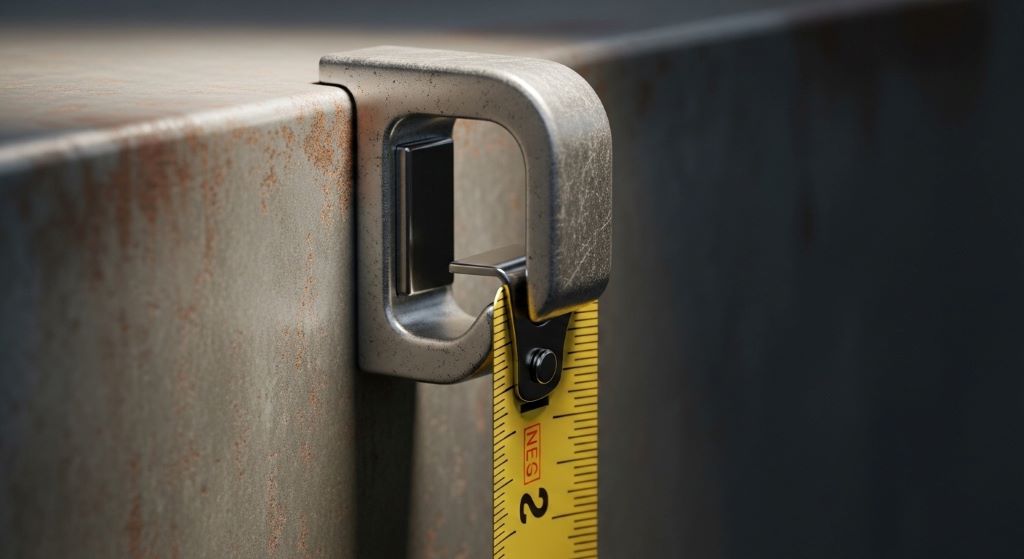
Traditional tape measures work well for many tasks. However, they often require two hands or an assistant when working alone. Magnetic versions solve this problem elegantly. The magnetic hook feature attaches securely to metal surfaces, freeing both hands for marking and cutting. This simple innovation transforms challenging measurements into straightforward tasks.
The magnetism isn’t just a convenience factor. It actually improves measurement accuracy. When the end hook grips firmly to your workpiece, you eliminate the slipping and shifting that causes errors. Additionally, you can take measurements in awkward positions where holding a traditional tape would be impossible.
Choosing the Right Magnetic Tape Measure
Not all magnetic tape measures offer the same performance. Several factors determine which model suits your needs best. Consider the strength of the magnet first. Stronger magnets provide better holding power on vertical surfaces and overhead work. However, they may be harder to reposition quickly.
Tape length matters depending on your typical projects. Home workshops usually need 16 to 25-foot tapes. Commercial fabricators often prefer 30-foot models or longer. The blade width also affects usability. Wider blades extend further without bending, which helps when measuring long spans alone.
Look for clear, easy-to-read markings. Some tapes include both imperial and metric measurements. Others feature fractional markings down to sixteenths or thirty-seconds of an inch. Choose based on your project requirements and personal preference.
Preparing Your Workspace
Proper preparation ensures accurate measurements every time. Start by cleaning the metal surface where you’ll attach the magnetic end. Oil, rust, or paint can reduce magnetic grip significantly. A quick wipe with a clean rag usually suffices for light contamination.
Check that your work surface is actually ferromagnetic. Not all metals attract magnets. Steel, iron, and some stainless steel alloys work perfectly. Aluminum, copper, and brass won’t hold the magnetic end. Therefore, know your materials before relying on magnetic attachment.
Secure your workpiece if possible. Even with magnetic attachment, vibration or movement can affect measurements. Clamps or vises provide extra stability for critical dimensions. This precaution becomes especially important when steel surface measuring involves large or heavy pieces.
Basic Measuring Techniques
Position the magnetic end at your starting point. Press firmly to ensure solid contact. The hook should sit flush against the edge or surface. Any gap between hook and metal introduces error into your measurement.
Extend the tape smoothly along your measurement path. Avoid twisting or angling the blade. Keep it flat against the surface for consistent readings. Watch for blade flex on longer measurements. Supporting the middle of extended tape prevents sagging.
Read measurements at eye level when possible. Looking from an angle creates parallax errors. Move your head to align with the measurement point rather than tilting the tape. Mark your measurement clearly with a scribe, punch, or marker appropriate for your material.
Advanced Applications for Metal Fabrication
Magnetic tape measures excel in complex fabrication scenarios. When building metal frames, attach the magnetic end to one corner and measure diagonals to check for square. The hands-free operation lets you adjust the frame while maintaining measurement reference.
For pipe work, wrap the tape around the circumference. The magnetic end holds the starting point while you bring the tape around. This technique works perfectly for determining pipe diameter or marking cut lines. Similarly, you can measure curves and irregular shapes more easily than with rigid rules.
Overhead measurements become manageable with magnetic attachment. Secure the end to ceiling joists, beams, or ductwork. The magnet holds while you extend downward or across to your target point. This approach eliminates the need for ladders at both ends or an assistant.
Troubleshooting Common Issues
Sometimes the magnetic connection feels weak or unreliable. Check for debris between the hook and surface first. Even thin layers of material can reduce magnetic force dramatically. Clean both the hook and work surface thoroughly.
Temperature affects magnetic strength slightly. Extreme cold can reduce holding power. If working in freezing conditions, warm the tape measure periodically. Conversely, excessive heat won’t damage most magnets but may affect tape blade integrity.
Blade twist during extension indicates improper handling. Let the tape unwind naturally rather than forcing it. Keep your thumb off the blade top while extending. Guide it gently without applying pressure that causes rotation.
Maintaining Your Magnetic Tape Measure
Regular maintenance extends tool life significantly. Wipe the blade clean after each use. Metal dust and filings accumulate quickly in workshop environments. These particles can scratch the blade markings and interfere with smooth retraction.
Check the magnetic hook periodically for damage. Drops and impacts can crack or weaken magnets. Replace damaged end hooks promptly. Most quality tape measures offer replacement parts. Continuing to use a weakened magnet leads to measurement errors and frustration.
Store your tape measure in a dry location. Moisture causes rust on the blade and internal spring mechanism. A light coating of tool oil protects steel components. However, keep oil away from the magnetic end as it attracts contamination.
Safety Considerations
Magnetic tape measures are generally safe tools. Nevertheless, observe basic precautions. Never use them near pacemakers or other medical devices sensitive to magnetic fields. The magnets in tape measures are relatively weak but better safe than sorry.
Watch your fingers during retraction. The spring-loaded return can pinch skin between blade coils. Control the return speed with the lock mechanism. Let the blade wind back smoothly rather than snapping back violently.
Be aware of the tape’s surroundings during extension. The blade can catch on sharp edges or knock over small items. Clear your measurement path before extending. This simple habit prevents damage to both your project and the tool.
Comparing Magnetic to Standard Tape Measures
Understanding the differences helps you choose appropriately for each task. Standard tape measures cost less and work on all materials. They’re lighter and often more compact. For general carpentry or non-metal projects, traditional tapes remain excellent choices.
Magnetic versions shine specifically in metalwork scenarios. The hands-free capability justifies the slight price premium for anyone regularly working with steel. However, the magnetic feature adds no value when measuring wood, plastic, or non-ferromagnetic metals.
Consider owning both types. Use magnetic tapes for steel surface measuring and metal fabrication. Keep standard tapes for other materials and general purpose work. Having the right tool for each situation improves efficiency and accuracy.
Professional Tips from Experienced Fabricators
Many professionals develop personalized techniques over years of practice. One useful trick involves using the magnetic end as a temporary clamp. When fitting pieces together, the tape can hold alignment while you check fit and position.
For repetitive measurements, some fabricators create custom stops. They attach small magnetic blocks to the tape blade at frequently used lengths. This modification speeds up production work significantly. However, ensure blocks don’t interfere with blade retraction.
When working with painted or coated metals, scratch through to bare metal at attachment points. This practice ensures maximum magnetic grip. The small scratch usually falls within areas that will be welded, fastened, or hidden in final assembly.
Digital versus Analog Magnetic Tape Measures
Technology has introduced digital displays to magnetic tape measures. These models show measurements on LCD screens, eliminating reading errors. They often include memory functions for storing dimensions and performing calculations.
Digital versions cost considerably more than analog tapes. They also require batteries and are less durable in harsh conditions. For precision work where eliminating reading errors matters most, digital models make sense. For general fabrication, traditional analog tapes usually suffice.
Battery life varies widely among digital models. Some last months on a single charge, while others drain quickly. Read reviews carefully before investing in digital options. Dead batteries at critical moments can halt productivity.
Teaching Others to Use Magnetic Tape Measures
If you manage a workshop or train apprentices, proper instruction matters. Start by demonstrating the magnetic attachment on scrap metal. Let students feel the holding strength and practice positioning the hook correctly.
Emphasize the importance of surface preparation. Many beginners assume magnets work equally well on all conditions. Showing the difference between clean and contaminated surfaces teaches this lesson effectively.
Create practice exercises that highlight the tool’s advantages. Have students measure vertical surfaces, overhead locations, and around curves. These scenarios demonstrate why magnetic tapes excel over standard versions in metal shops.
Conclusion
Magnetic tape measures represent a significant advancement for metalworkers and fabricators. The magnetic hook feature provides hands-free operation that improves both efficiency and accuracy. When combined with proper technique and maintenance, these tools become indispensable workshop companions.
Success with magnetic tape measures requires understanding their strengths and limitations. They excel at steel surface measuring but offer no advantage on non-magnetic materials. Choose quality models with strong magnets and clear markings. Maintain them properly and they’ll provide years of reliable service.
Whether you’re a professional fabricator or weekend hobbyist, mastering magnetic tape measure techniques elevates your metalworking capabilities. The investment in a quality tool pays dividends through faster, more accurate work. Start applying these principles on your next project and experience the difference firsthand.
Frequently Asked Questions
How strong should the magnet be on a good tape measure?
Quality magnetic tape measures typically hold 2 to 5 pounds of pull force. This strength keeps the hook attached to vertical surfaces and overhead work. Test the magnet on your typical materials before purchasing. Stronger isn’t always better since very powerful magnets can be difficult to reposition quickly during rapid measuring tasks.
Can I use magnetic tape measures on stainless steel?
Most austenitic stainless steels are non-magnetic and won’t hold magnetic tape measures. However, ferritic and martensitic stainless grades are magnetic. Test your specific material with a magnet before assuming the tape will attach. Many kitchen and decorative stainless products use non-magnetic alloys.
Will the magnet damage my metal surfaces?
Standard neodymium or ferrite magnets in tape measures won’t damage metal surfaces. They may leave slight marks on very soft metals if dragged across the surface. The magnetic field itself causes no harm. However, always clean the hook to prevent scratching from trapped debris.
How do I measure inside dimensions with a magnetic tape?
For inside measurements, hook the magnetic end to one surface and extend to the opposite side. Add the length of the tape measure case to your reading for true inside dimension. Many tapes print the case length on the housing for easy reference during this type of measurement.
Can magnetic tape measures lose their magnetism over time?
Modern permanent magnets in tape measures rarely lose strength under normal use. Extreme heat above 175°F can demagnetize some magnets. Physical damage from drops or impacts poses greater risk. With proper care, the magnetic properties should last the tool’s entire lifespan.
Related Topics:
How to Start Using a Jigsaw: Beginner’s Step-by-Step Guide
How to Find Chart Ruler: A Complete Astrological Guide