
Growth hacking is a powerful way to scale a business. However, many companies chase quick wins at the cost of long-term trust. Unethical tactics—such as fake reviews, clickbait, or misleading marketing—damage reputations. Ethical growth hacking ensures sustainable brand building, fostering customer loyalty and credibility.
Companies like Airbnb and Dropbox mastered ethical growth hacking by focusing on customer value. Instead of deceptive tricks, they used referral programs, community-building, and product-led growth. These methods build trust while accelerating growth.
If you’re looking for sustainable brand growth, it’s time to embrace ethical strategies. One way is to explore Trade Izze, a platform that connects businesses with ethical opportunities for scaling.
Understanding the Difference: Ethical vs. Unethical Growth Hacking
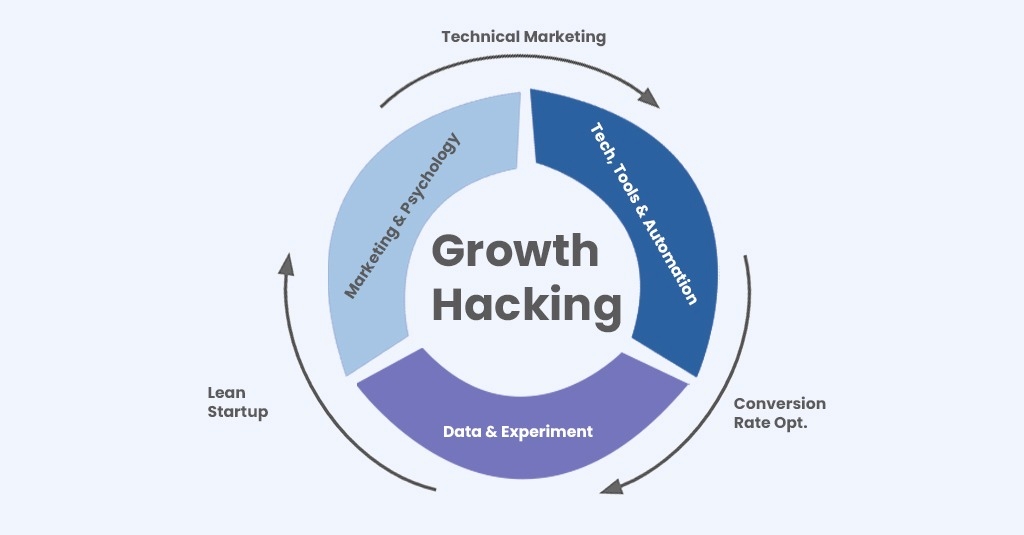
Ethical growth hacking focuses on transparency, value creation, and user trust. Unethical methods rely on manipulation, deception, or exploitation.
Examples of Ethical Growth Hacking:
- Referral programs: Encouraging customers to share your brand in exchange for real value (Dropbox’s referral system increased signups by 60%).
- Content marketing: Providing useful, in-depth content that builds trust and positions you as an industry leader.
- Community engagement: Actively participating in discussions, responding to feedback, and creating a loyal user base.
- Product-led growth: Offering free trials or freemium models that let users experience the value before committing.
Examples of Unethical Growth Hacking:
- Fake reviews and testimonials: Misleading potential customers damages trust and leads to legal consequences.
- Clickbait advertising: Overpromising and underdelivering leads to high churn rates and bad publicity.
- Black-hat SEO tactics: Keyword stuffing, buying backlinks, or using deceptive redirects can lead to search engine penalties.
Companies that adopt ethical strategies enjoy sustainable, long-term success. Transparency builds trust, and trust leads to loyal customers.
How to Protect Your Brand’s Innovations
Innovation is a key driver of business growth. However, the fear of idea theft can discourage entrepreneurs from sharing their concepts. It’s crucial to understand how to protect an idea from being stolen to ensure your business maintains a competitive edge.
Legal protections like patents, trademarks, and copyrights safeguard intellectual property. Non-disclosure agreements (NDAs) add another layer of security when discussing ideas with partners or investors. Additionally, building a strong brand identity reduces the risk of imitation. Customers recognize and trust originality, making it harder for copycats to thrive.
The Power of Transparency in Growth Hacking
Trust is the foundation of sustainable brand growth. Companies that prioritize transparency attract loyal customers. According to a 2023 Edelman Trust Barometer report, 81% of consumers say brand trust influences their buying decisions.
Ways to Increase Transparency:
- Clear communication: Be honest about your products, pricing, and policies.
- Authentic storytelling: Share real customer experiences and behind-the-scenes insights.
- Open feedback loops: Encourage customer reviews and address concerns publicly.
- Ethical data usage: Inform customers about how their data is collected and used.
Brands like Patagonia and Everlane have built strong reputations through radical transparency. Everlane, for example, reveals the true cost of production for each product, fostering customer trust.
Leveraging Organic Growth Strategies
Paid ads can drive traffic, but organic growth creates lasting success. Ethical growth hacking focuses on sustainable, low-cost strategies.
Best Organic Growth Tactics:
- SEO-driven content marketing: Blogs, guides, and case studies that rank on search engines drive long-term traffic.
- Social media engagement: Posting valuable content and interacting with followers increases brand awareness.
- User-generated content (UGC): Encouraging customers to share their experiences builds community trust.
- Strategic partnerships: Collaborating with like-minded brands expands your reach without heavy ad spend.
Companies that prioritize organic strategies reduce dependency on paid advertising, improving profit margins in the long run.
Building a Community-Driven Brand
A strong community fuels brand growth. When customers feel connected, they become advocates. Studies show that 92% of people trust recommendations from peers over traditional ads.
How to Build a Loyal Community:
- Engage on social media: Reply to comments, host Q&A sessions, and create interactive content.
- Launch exclusive groups: Private Facebook or Slack groups strengthen relationships with top customers.
- Offer value-first engagement: Share insights, resources, and tips without constantly selling.
- Recognize loyal supporters: Highlight community members and reward referrals.
Brands like Glossier and Tesla thrive on community-driven marketing. Their loyal customers amplify their reach without excessive ad spend.
Ethical Email Marketing for Sustainable Growth
Email marketing remains one of the most effective digital strategies. However, spammy tactics ruin customer relationships. Ethical email marketing focuses on providing value rather than pushing aggressive sales.
Best Practices for Ethical Email Growth:
- Permission-based marketing: Use opt-in forms and avoid purchasing email lists.
- Personalization: Address recipients by name and tailor content to their interests.
- Value-driven emails: Offer insights, resources, or exclusive deals that benefit the reader.
- Easy opt-out options: Make it simple for subscribers to unsubscribe if they choose.
Companies that respect user inboxes see higher open rates and stronger customer relationships.
Read More Also: Tying Up Contracts in a Remote World: Tips for Virtual Negotiations and Sign-Offs
Data-Driven Growth Without Violating Ethics
Data analytics helps brands refine marketing strategies. However, many companies misuse data, leading to privacy concerns. Ethical data practices build trust while still driving growth.
How to Use Data Ethically:
- Obtain user consent: Be transparent about data collection and allow opt-outs.
- Use first-party data: Prioritize direct customer interactions over third-party tracking.
- Respect privacy laws: Comply with GDPR, CCPA, and other regulations.
- Apply insights wisely: Use data to improve user experience, not manipulate behavior.
Google and Apple have made strides in ethical data practices, prioritizing user privacy while maintaining powerful analytics.
Discover More: Practical Gifts for First-Time Homeowners in Small Spaces
Conclusion
Growth hacking doesn’t have to rely on shortcuts. Ethical strategies create trust, build long-term relationships, and ensure lasting success. Brands that prioritize transparency, community engagement, and value-driven marketing outperform those chasing short-term gains.
As the digital landscape evolves, consumers demand authenticity. Companies that embrace ethical growth hacking will not only survive but thrive. Start implementing these strategies today and watch your brand grow the right way.