Anchorage, Alaska offers some of the harshest fishing and survival conditions in North America. More than 300,000 residents and thousands of outdoor visitors rely on fishing skills for recreation and emergency preparedness each year. In remote regions near Anchorage, equipment failure can quickly turn into a dangerous survival problem because weather conditions shift fast. Learning the alberto knot fluoro to braid technique helps anglers maintain strong fishing setups in freezing water and rugged terrain. This knot improves line reliability while supporting safe wilderness travel in Alaska’s demanding outdoor environment.
Understanding Anchorage’s Wilderness Challenges
Anchorage sits between mountain ranges, icy rivers, and dense forests filled with unpredictable weather systems. Temperatures can drop suddenly even during summer fishing trips near rivers and remote lakes. Strong currents, sharp rocks, and large fish species place constant pressure on fishing equipment. Therefore, anglers must prepare for survival situations before entering Alaska’s wilderness areas.
Fishing often becomes more than a sport in Alaska because food collection matters during extended outdoor trips. A broken fishing line can waste energy, valuable daylight, and limited supplies in isolated regions. Skilled outdoorsmen understand that dependable knots matter as much as rods or reels. Many local anglers also study proper surf rod sizing because line balance and rod control directly affect knot performance in rough water.
Why the Alberto Knot Works So Well in Alaska
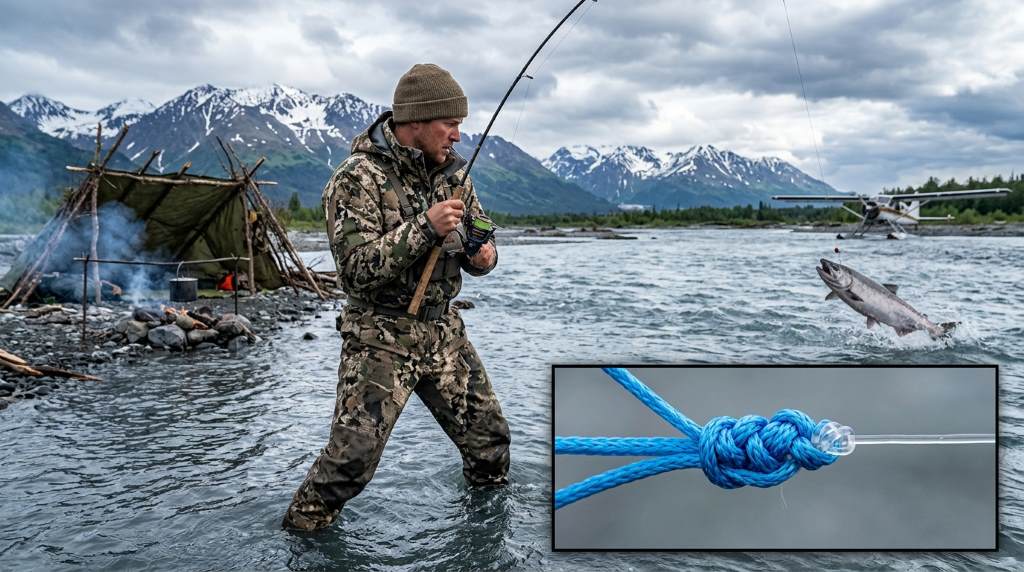
The Alberto Knot connects braided line to fluorocarbon leaders with excellent strength and flexibility. Unlike bulkier knots, it moves smoothly through rod guides during repeated casting sessions. This feature matters in Anchorage because anglers often cast continuously in cold rivers for salmon and trout. Additionally, the knot handles sudden fish strikes without slipping under pressure.
Fluorocarbon leaders become nearly invisible underwater, which improves success in Alaska’s clear streams and lakes. Braided lines provide strong sensitivity and help anglers detect subtle bites in deep or fast-moving water. The Alberto Knot combines these advantages without creating weak connection points. Experienced anglers also understand how corrosion affects outdoor gear, so many use knowledge from marine rope clamp techniques to improve equipment durability during long wilderness trips.
Cold Weather Makes Knot Selection Critical
Extreme cold changes how fishing lines behave in Alaska’s outdoor conditions. Monofilament lines often stiffen while cheap knots tighten unevenly and weaken over time. The Alberto Knot maintains reliable tension because its wrapping structure distributes force evenly across the connection. As a result, anglers reduce the chance of sudden breakage during cold weather fishing.
Frozen fingers also create problems when tying complicated knots beside icy rivers. The Alberto Knot remains relatively simple once mastered through practice at home. Many survival experts recommend practicing knot tying while wearing gloves because emergencies rarely happen under comfortable conditions. This preparation builds confidence before entering remote Alaskan terrain.
The Survival Importance of Reliable Fishing Gear
Anchorage wilderness areas contain remote locations where help may take hours or days to arrive. In these situations, fishing becomes a practical survival skill rather than simple recreation. Reliable knots allow anglers to secure food while conserving physical energy and supplies. Therefore, knot reliability directly supports wilderness survival planning.
Strong fish species like king salmon and northern pike place tremendous pressure on line connections. Weak knots may fail during critical moments when food sources matter most. The Alberto Knot provides dependable performance while handling aggressive fish movements in rough current conditions. Furthermore, anglers who understand line management often improve their outdoor setups with durable board fin upgrades because gear stability matters across many water activities.
Unique Alaskan Conditions That Test Fishing Knots
Many outdoor articles discuss knots only from a sport fishing perspective, but Alaska creates additional survival challenges. Glacial silt in rivers slowly damages fishing line through constant abrasion during long trips. Sharp underwater rocks increase wear on fluorocarbon leaders throughout repeated casts. Consequently, anglers need knot systems that tolerate extended environmental stress.
Another overlooked issue involves wildlife encounters near fishing zones around Anchorage. Bears often approach rivers during salmon runs, forcing anglers to move quickly or abandon equipment temporarily. A poorly tied knot can fail after sudden tension changes caused by hurried movement. The Alberto Knot reduces these risks because its structure remains stable under unpredictable pressure shifts.
Step-by-Step Breakdown of the Alberto Knot
Learning the Alberto Knot requires patience, but the process becomes easier with repetition. Beginners should practice indoors before attempting the knot beside cold rivers or windy shorelines. Consistent technique matters more than tying speed during the learning stage. Once mastered, the knot becomes fast and dependable.
- Create a loop in the fluorocarbon leader.
- Pass the braided line through the loop.
- Wrap the braid around both strands several times.
- Reverse direction and wrap back toward the loop opening.
- Pass the braid back through the same side of the loop.
- Moisten the knot and tighten carefully.
Proper tightening prevents friction damage that weakens the line connection. Many experienced anglers test the knot with strong pulls before entering the water. This habit identifies mistakes early while avoiding problems during active fishing sessions. Careful preparation always increases survival readiness in Alaska.
Why Anchorage Anglers Prefer Fluorocarbon Leaders
Fluorocarbon leaders perform extremely well in Alaska’s cold and clear waterways. The material resists abrasion from rocks, submerged branches, and aggressive fish species. Additionally, fluorocarbon sinks faster than monofilament, which improves lure presentation in deep current systems. These benefits support successful fishing during difficult environmental conditions.
Braided line alone often becomes too visible in clear streams near Anchorage. Fish species like trout and salmon may avoid unnatural presentations during heavily pressured fishing periods. Fluorocarbon leaders solve this visibility issue while preserving braid sensitivity and strength. The Alberto Knot creates an efficient bridge between both materials.
The Role of Knot Knowledge in Wilderness Education
Outdoor survival instructors across Alaska teach knot tying as part of broader wilderness preparedness programs. Fishing knots support food collection, shelter building, and emergency gear repair during unexpected situations. The Alberto Knot stands out because it combines simplicity with high-performance reliability. Therefore, many instructors recommend it for beginners and experienced anglers alike.
Children and young outdoor enthusiasts also benefit from learning dependable knots early. Skill development creates confidence while encouraging safe wilderness exploration habits. Families who fish near Anchorage often use knot practice as part of outdoor education activities. This tradition strengthens both survival awareness and outdoor responsibility.
Mistakes That Cause Knot Failure in Alaska
Many anglers lose fish because they rush the knot tying process during cold or stressful conditions. Uneven wraps create weak spots that eventually slip under pressure from strong fish. Dry tightening also damages fluorocarbon through friction heat during final knot adjustments. Small errors quickly become serious problems in harsh Alaskan environments.
Another common mistake involves using damaged line sections near the knot connection. Frayed braid and scratched fluorocarbon reduce overall strength even when the knot appears correct. Experienced anglers regularly inspect several feet of line after catching fish or dragging across rocks. Preventive maintenance extends gear reliability throughout long wilderness trips.
How the Alberto Knot Supports Emergency Preparedness
Survival experts encourage outdoor travelers to prepare for unexpected overnight situations near Anchorage. Reliable fishing setups increase the ability to gather food during emergencies involving weather delays or navigation problems. The Alberto Knot contributes to preparedness because it minimizes line failure risks under demanding conditions. Simple skills often create major advantages during outdoor emergencies.
Emergency kits in Alaska frequently include compact fishing supplies because rivers and lakes remain widespread across the region. Lightweight braided line paired with fluorocarbon leaders offers versatile performance for many fish species. A dependable knot system allows travelers to maximize limited gear while reducing unnecessary equipment weight. Efficient packing matters greatly during remote travel.
Conclusion
The Alberto Knot provides far more than improved fishing performance in Anchorage, Alaska. It supports survival preparedness, gear reliability, and confidence during challenging outdoor conditions. Cold water, strong fish, sharp rocks, and unpredictable weather constantly test fishing equipment across Alaska’s wilderness areas. Learning this knot helps anglers stay prepared while increasing safety during remote adventures.
Anyone planning outdoor trips near Anchorage should practice the Alberto Knot before entering remote fishing environments. Consistent preparation creates stronger survival skills and better fishing results over time. Start practicing today and build a dependable outdoor skillset that performs under pressure. Many experienced anglers also improve overall water performance by studying advanced surfboard fin upgrades alongside other outdoor equipment improvements.
FAQs
Why is the Alberto Knot popular in Alaska?
The Alberto Knot handles cold weather, strong fish, and rough water conditions very effectively.
Can beginners learn the Alberto Knot quickly?
Yes, most beginners can master it with regular practice and careful attention to wrapping direction.
Does fluorocarbon work well in Anchorage rivers?
Yes, fluorocarbon performs well because it resists abrasion and stays less visible underwater.
Is braided line better for wilderness fishing?
Braided line offers excellent strength and sensitivity, which helps in fast-moving Alaskan waters.
How often should anglers retie the Alberto Knot?
Anglers should retie the knot whenever they notice abrasion, slippage, or line damage.