A 3-season porch offers a delightful blend of indoor and outdoor living. It’s a space where you can relax, entertain, and soak up the natural world without the full force of the elements. But to truly enjoy this oasis, you need to keep unwanted guests – like pesky insects – at bay. Let’s explore the various screening options available to transform your porch into a bug-free sanctuary, including 3-season porch screening.
Understanding Your Porch and Your Needs
Before diving into screening options, it’s important to assess your porch’s specific needs. Consider these factors:
- Climate: Your local climate determines the severity of the bug problem and the desired level of protection.
- Bug Types: Identify the primary insects that bother you. Mosquitoes, flies, and gnats require different screening approaches.
- Aesthetics: Your porch’s style and overall home aesthetic influence the choice of screening material and color.
- Ventilation: Balance bug protection with airflow to maintain a comfortable environment.
- Maintenance: Consider the ease of cleaning and maintaining different screening options.
Traditional 3-Season Porch Screening: A Classic Choice
Traditional fiberglass screening is a popular and affordable option. It offers good visibility and airflow while effectively deterring the most common insects. However, it can be susceptible to tears and damage, especially in high-traffic areas.
- Pros: Cost-effective, good visibility, ample airflow.
- Cons: Prone to damage, limited durability.
Aluminum 3-Season Porch Screening: Durable and Strong
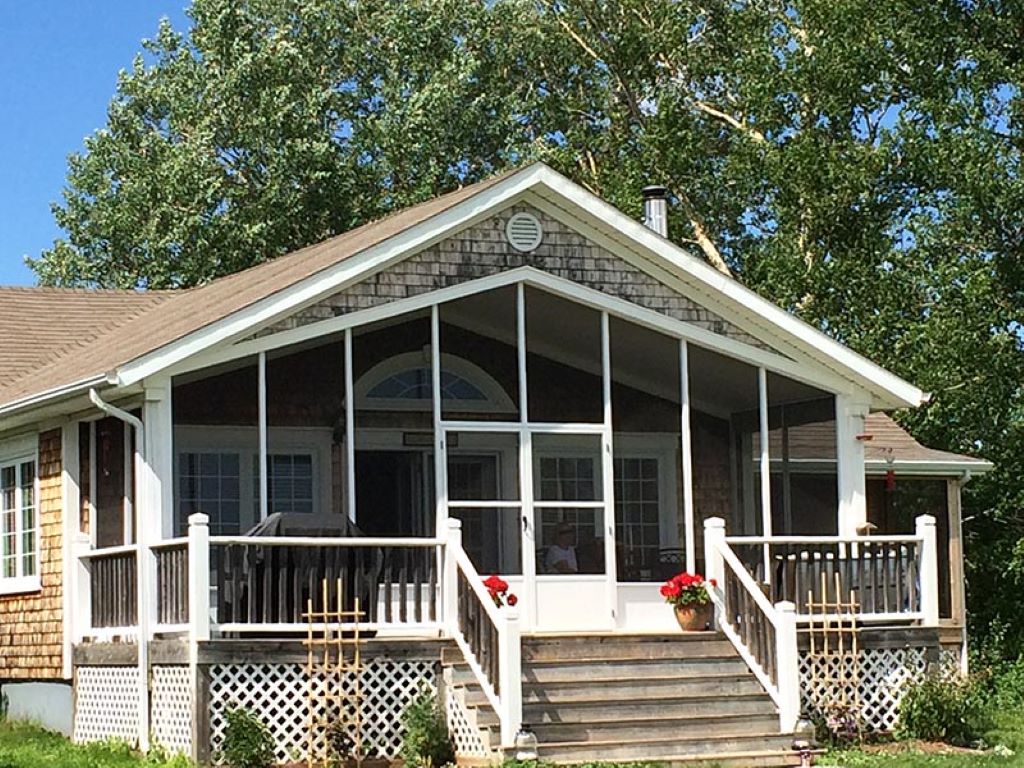
Aluminum screening is a step up from fiberglass in terms of durability. It’s resistant to tears, rust, and corrosion, making it ideal for areas prone to harsh weather conditions. While it’s slightly less visible than fiberglass, it still allows for good airflow.
- Pros: Durable, long-lasting, resists damage.
- Cons: Slightly less visible than fiberglass.
Stainless Steel 3-Season Porch Screening: The Ultimate in Durability
For the ultimate in strength and longevity, stainless steel screening is the top choice. It’s virtually indestructible and resistant to even the most determined pests. However, it’s also the most expensive option.
- Pros: Unparalleled durability, resists damage, long-lasting.
- Cons: Most expensive option.
Pet-Resistant Screening: For Furever Homes
If you share your home with furry companions, pet-resistant screening is a must. It’s designed to withstand scratches, bites, and claws, ensuring your porch remains bug-free even with playful pets.
- Pros: Protects against pet damage, durable.
- Cons: May be less visible than other options.
Screen Mesh Size: Finding the Right Balance
The mesh size of your screening determines how effectively it keeps insects out. A finer mesh will block smaller bugs like mosquitoes, but it may also reduce airflow. Consider the following mesh sizes:
- 18 x 16 mesh: Offers good protection against common insects while allowing for decent airflow.
- 18 x 14 mesh: Provides better protection against smaller insects but reduces airflow slightly.
- 20 x 20 mesh: Offers the highest level of insect protection but significantly reduces airflow.
Additional Screening Considerations
- Screen Color: Choose a screen color that complements your porch’s aesthetic and blends seamlessly with the surrounding environment.
- Screen Installation: Proper installation is crucial for effective bug prevention. Consider hiring a professional for a flawless job.
- Screen Repair: Regularly inspect your screens for damage and repair any tears or holes promptly.
Beyond Screening: Other Bug-Fighting Tactics
While screening is essential, it’s not the only weapon in your arsenal. Combine screening with these additional strategies for optimal bug protection:
- Outdoor Fans: Create airflow to deter flying insects.
- Bug Repellents: Use natural or chemical repellents to create a hostile environment for bugs.
- Landscaping: Remove potential breeding grounds for mosquitoes and other pests by eliminating stagnant water and overgrown vegetation.
- Lighting: Minimize outdoor lighting, as it attracts insects.
Related: Building a Brand Beyond Music: Lessons from Cathy White Jay Z Marketing
By carefully considering your porch’s specific needs and exploring the various screening options available, you can create a bug-free haven where you can fully enjoy the beauty of the outdoors. Remember, a well-screened porch is an investment in your comfort and enjoyment of your home.