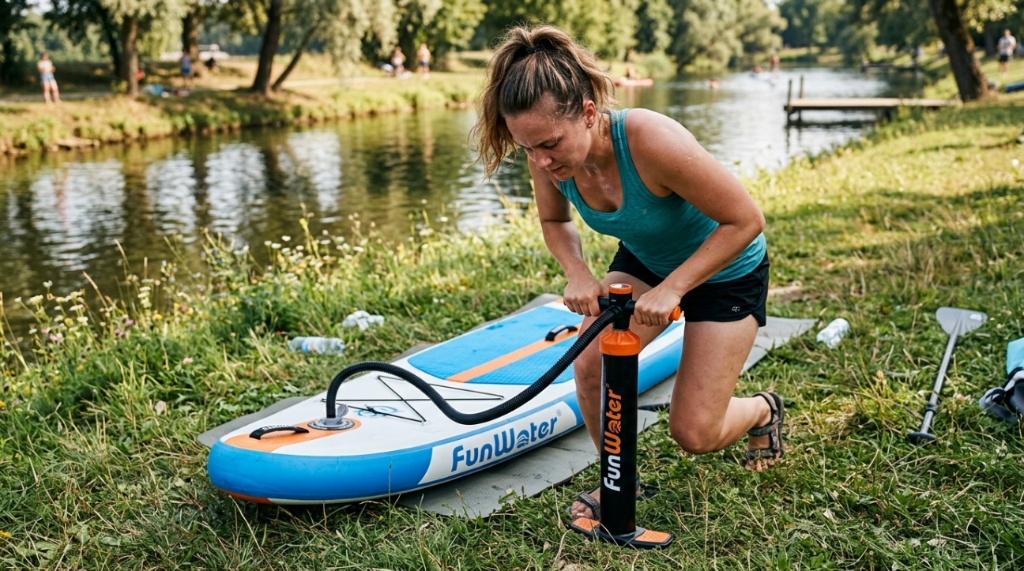
You know the scenario. You are heading out for a day on the water, a long hike, or a weekend of travel, and you are faced with the familiar dilemma: slather on greasy sunscreen that washes off in minutes, or wear a heavy, sweaty shirt that feels like a wet blanket by noon. For men who spend time outdoors, sun protection is not just about comfort; it is about preventing long-term skin damage. The solution lies in finding the right technical apparel. But with so many options on the market, how do you choose a shirt that keeps you cool, comfortable, and genuinely safe from harmful UV rays without sacrificing style or mobility? This guide breaks down the science of sun protection, the fabrics that actually perform, and how to select the best option for your specific outdoor activities. We’ll explore what makes a shirt truly effective, from UPF ratings to breathability, and give you the practical criteria you need to make a smart purchase.
Key Takeaways
- UPF 50+ is the gold standard for sun shirts, blocking over 98% of UVA and UVB rays; anything lower offers significantly less protection.
- Fabric composition, specifically polyester and nylon blends, directly impacts both moisture-wicking capability and the durability of the UV protection.
- Fit is a critical decision point: choose a relaxed fit for maximum airflow in casual settings or a slim fit for high-intensity activities like paddleboarding and running, which require less fabric flapping.
- Ventilation features, such as mesh back panels and underarm gussets, are often more important than fabric thickness when it comes to keeping you cool in high heat.
- Look for additional comfort features like flatlock seams (to prevent chafing from backpack straps) and thumb loops, which keep the sleeves in place during active motion.
Understanding UPF Ratings: What Does UPF 50+ Actually Mean?
Before you look at style or color, you need to understand the numbers. UPF stands for Ultraviolet Protection Factor. Unlike SPF, which measures how long sunscreen protects your skin, UPF measures how much UV radiation a fabric blocks. A shirt rated UPF 50+ blocks 98% of the sun’s rays, allowing only 1/50th of the UV radiation to reach your skin. This is the highest rating typically assigned to apparel. While UPF 30 is adequate, UPF 50+ provides a superior level of defense, especially for those with fair skin or a history of sunburns. It is also crucial to distinguish between treated and inherent protection. Some fabrics rely on chemical washes to achieve their rating, which can wash out over time. Higher-quality shirts, however, use tightly woven synthetic fibers that block UV rays intrinsically, meaning the protection never washes away.
Fabric Technology: Polyester vs. Nylon vs. Blends
The material of your shirt is the primary factor in determining both comfort and protection. Not all fabrics are created equal when it comes to handling sweat, heat, and sunlight.
The Case for Polyester and Synthetic Blends
Polyester is the workhorse of the athletic apparel industry for a reason. Its hydrophobic (water-repelling) nature makes it excellent at moisture management. It pulls sweat away from the skin to the outer surface of the shirt, where it can evaporate quickly. This process is called “wicking” and is essential for keeping you dry and preventing chafing. Furthermore, polyester fibers can be woven densely to block UV light effectively without using heavy materials. Many of the top-rated lightweight sun protection shirts for men rely on high-denier polyester or nylon blends to achieve a balance between weight and durability, ensuring the shirt survives being stuffed into a backpack without losing its shape or protective qualities.
The Fabric Weight Trade-off
A common misconception is that a heavier shirt equals better protection. In reality, a high-quality lightweight shirt uses microfilament yarns that create a dense weave while remaining feather-light. When shopping, pay attention to the “face weight” of the fabric. Look for shirts that feel smooth and cool to the touch. If the fabric feels rough or thick, it may trap heat, leading to overheating even if the UPF rating is high. A good test is to hold the shirt up to a bright light source; if you can see light scattering through the weave heavily, it may not offer optimal protection despite the label.
Comfort Features That Actually Matter
Beyond the fabric itself, the construction of the shirt determines how comfortable it is during a full day of activity. A shirt that is technically sound but poorly designed will still end up in the bottom of your duffel bag.
Seam Construction and Chafing
Traditional seams can rub against your skin, especially when you are wearing a backpack or a life jacket. Flatlock seams are a superior alternative. These seams are sewn flat against the skin, reducing friction and preventing the dreaded “hot spots” that can develop on your shoulders and sides. If you are engaging in rowing or paddling, this is a non-negotiable feature.
Ventilation and Heat Dumping
Look for strategic mesh panels or “laser-cut” perforations located in high-heat zones like the armpits, lower back, or the center of the back. These areas promote “heat dumping,” allowing hot air to escape and cool air to circulate. Some advanced shirts feature a “drop-tail” hem—a slightly longer back panel that keeps the shirt tucked in when you bend over, preventing the lower back from being exposed to the sun. This also helps manage airflow, keeping the shirt from riding up during motion.
The Role of Thumbholes
Initially popular in the surf and paddle sports community, thumbholes are now found on many hiking shirts. They serve two purposes: they keep the sleeves from bunching up around your elbows when you reach, and they provide coverage for the back of your hands. This reduces the amount of sunscreen needed on the wrists and prevents the “glove tan” line.
Fit Guide: How Should a Sun Shirt Fit?
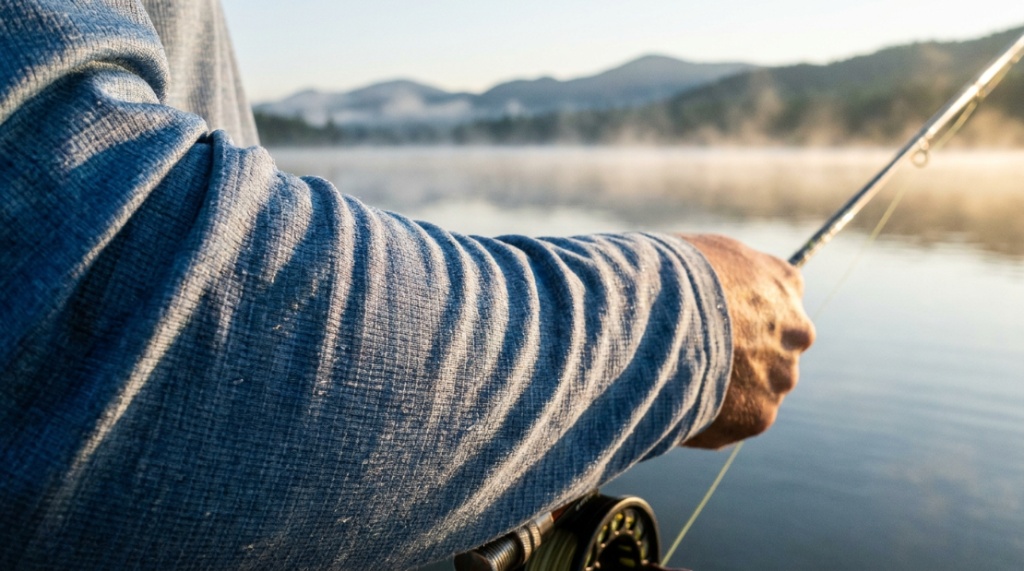
Choosing the right fit is about matching the shirt to the activity. The wrong fit can negate the benefits of the fabric.
Relaxed/Fishing Fit: If your primary activities are casual cruising, fishing, or hiking on a breezy trail, a relaxed fit is ideal. This cut allows for maximum airflow between the fabric and your skin. The loose drape leverages the “chimney effect,” where hot air rises and escapes through the collar and sleeves. Just be cautious: an overly baggy shirt can be dangerous on a boat, as it may catch on rigging or equipment.
Slim/Athletic Fit: For high-intensity sports like running, mountain biking, or stand-up paddleboarding, a slim or athletic fit is preferable. This type of shirt sits closer to the body, ensuring that sweat is wicked away efficiently because the fabric is in contact with the skin. However, it must be made of a highly elastic (spandex-blend) material to allow for a full range of motion without restriction. A shirt that is too tight in these situations can restrict breathing and trap heat.
Comparing Top Styles: Hooded vs. Crew Neck
Your choice between a hooded and a crew neck shirt is more than a fashion statement; it is a functional decision based on your sun exposure.
| Feature | Hooded Sun Shirt | Crew Neck Sun Shirt |
|---|---|---|
| Protection | Offers coverage for the neck and ears (with a facemask option). Great for extreme sun or when you forget a hat. | Leaves the neck exposed; requires a separate wide-brimmed hat or buff for complete coverage. |
| Ventilation | Typically less breathable around the neck; can feel warmer in high humidity. | Provides an open collar area which enhances heat escape. |
| Weight | Usually slightly heavier due to the added fabric and zipper mechanisms. | Lightest weight option available; packs down extremely small. |
| Best Use | Sailing, high-altitude hiking, kayaking (under a helmet), or anywhere wind chill is a factor. | Trail running, hiking in hot forests, gym wear, and everyday casual use. |
Care and Maintenance: Extending the Life of Your Shirt
Even the best lightweight sun protection shirts for men will degrade prematurely if you do not care for them properly. The primary enemy of technical fabric is fabric softener. Softeners coat the fibers with a waxy residue that clogs the pores of the fabric. This residue stops the shirt from absorbing sweat and significantly reduces breathability. Instead, wash your sun shirts in cold water with a technical detergent designed to remove sweat and oils without breaking down the elastic fibers. Always line dry your shirt. The heat from a tumble dryer breaks down the spandex or elastane components over time, causing the shirt to lose its stretch and fit. If you cannot avoid a dryer, use the lowest heat setting and remove the shirt while it is still slightly damp.
Common Mistakes to Avoid When Buying
When you are ready to purchase, avoid these pitfalls that often lead to an unsatisfactory product:
- Ignoring the Stretch: Ensure the shirt has between 6% and 15% spandex. This is necessary for movement. A 100% polyester shirt will feel stiff and restrictive.
- Sizing Up: Do not buy a larger size for extra length. Instead, look for a shirt specifically labeled as “tall” or one with a drop-tail hem. An oversized shirt flapping in the wind can cause drag and distraction during water sports.
- Choosing Dark Colors: While dark colors offer higher UV absorption, they also absorb heat. In most cases, light neutral colors (like gray, sand, or light blue) provide the best compromise between heat reflection and style, keeping your core temperature lower.
- Forgetting Chlorine Resistance: If you swim laps or do water aerobics, the chlorine in pools will be harsher on the fabric than salt water. Look for shirts specifically marketed as “chlorine-resistant” to ensure the Lycra doesn’t break down after a few pool sessions.
Wrapping Up Your Quest for the Perfect Sun Shirt
Choosing the right lightweight sun protection shirt is an investment in your long-term health and immediate comfort. It is not just about grabbing the first UPF shirt you see; it is about understanding the interplay between fabric density, fit, and activity-specific features. The best shirt for you depends on whether you are a weekend warrior on the trails or a competitive paddler on the ocean. Prioritize a UPF 50+ rating with a polyester/spandex blend, and ensure the seams and cut align with your movement needs.
Frequently Asked Questions
Can I wear a sun shirt while swimming?
Yes, most sun shirts are designed for both land and water use. They dry quickly and provide a degree of insulation in the water. However, ensure the shirt is snug enough not to create drag when you are swimming laps, and rinse it thoroughly with fresh water after swimming in chlorinated or salt water to extend the life of the fabric.
Do sun shirts have a smell after sweating?
Many modern sun shirts include antimicrobial treatments or use silver-infused fibers to prevent the growth of odor-causing bacteria. However, if you do not wash them promptly after intense sweating, they can hold odors. A quick soak in vinegar and water before washing usually removes any lingering smells without damaging the fabric, Before packing your gear for your next getaway, learn how to pick durable luggage for frequent travelers.
Can I rely on my sun shirt completely instead of sunscreen?
Technically, a shirt with a reliable UPF 50+ rating protects the covered skin area as well as or better than most sunscreens. However, you will still need sunscreen on exposed areas like your face, ears, and hands. Loose clothing can shift, and tight clothing can stretch, potentially thinning the protective barrier, so wearing sunscreen as a backup on high-exposure days is recommended.
What is the difference between SPF and UPF?
SPF (Sun Protection Factor) measures the level of protection provided by a sunscreen against UVB rays (the burning rays) on a human wearing the product. UPF (Ultraviolet Protection Factor) measures how much UV radiation (both UVA and UVB) a fabric blocks. UPF is a physical measure of the textile, not a chemical measure of the skin’s response.
Conclusion
Finding the best lightweight sun protection shirt comes down to matching the technical specs to your lifestyle. Don’t just look at the price tag—examine the weave, check the stretch, and consider ventilation. A quality shirt is one you will forget you are wearing because it keeps you dry, cool, and protected without restricting your movement. Whether you are layering it for a chilly surf session or wearing it solo on a scorching hike, the right shirt acts as your first line of defense against the sun’s damaging rays. Give your skin the protection it deserves, and choose a shirt that works as hard as you do.